Live on a working permaculture farm at Lake Atitlán — and learn it by doing it.
A live-in internship on the land we farm at Tzununá. You work the mornings, learn the afternoons, and live inside a real regenerative operation — not a demonstration, an actual farm that feeds an actual restaurant. Real friendships with local people, and work that will still be benefiting this community years after you’ve gone home.
Let’s be straight about how this works.
This is an internship, not a paid job, and it isn’t a free volunteer spot either. You pay a modest cost that covers your bed, your meals, your training, and full access to our $1,500 design course. You’re not here to give us free labour. You’re here to learn a craft by living it — and running a farm that can teach you that costs something to keep running. Prices are below, in full, with nothing hidden.
“Why do I have to pay to volunteer?”
It’s a fair question, and here’s the straight answer: you’re not paying to provide free labour for our farm. Most volunteer programs put you to work raising the profits of a commercial operation. This is the opposite. Your work goes into real regenerative projects that directly benefit local families, farmers, and the Lake Atitlán watershed. Right now that means:
Nicolás, our farm manager
Building his own regenerative farming enterprise across several parcels of land. You’ll work alongside him and learn from someone who’s farmed this landscape for decades.
María Pérez, a local farmer raising her adopted son
Turning her coffee plot into a diverse food forest — improving her family’s resilience and helping rainwater soak into the ground instead of running off it.
A community-led restoration in San Pedro
Where we’re converting polluted wastewater channels into living riparian buffer zones along the degraded lakeshore.
Your contribution funds this work, supports the livelihoods of the local people leading it, and lets us keep investing in regeneration across the region. And you get more than any traditional volunteer experience gives you: full access to our self-paced design course, mentorship from our design team, and lessons straight from farmers like Nicolás and María, whose knowledge was earned over decades and can’t be taught in any classroom.
So you’re not paying to volunteer. You’re investing in a real education while helping create lasting change for both the people and the land. The free course is almost a side effect. The more you put in, the more you walk away with.
And there’s something here you won’t find in a course or a commercial farm stay. You’ll make real friendships with the local people you work beside. The trees you plant, the water you help sink into the ground, the soil you build will still be feeding this community years from now. Most people arrive for the permaculture. What stays with them is the connection, and knowing they left something living behind.
What you’ll actually do
A real farm doesn’t run on a fixed syllabus. Here’s the rhythm of a day.
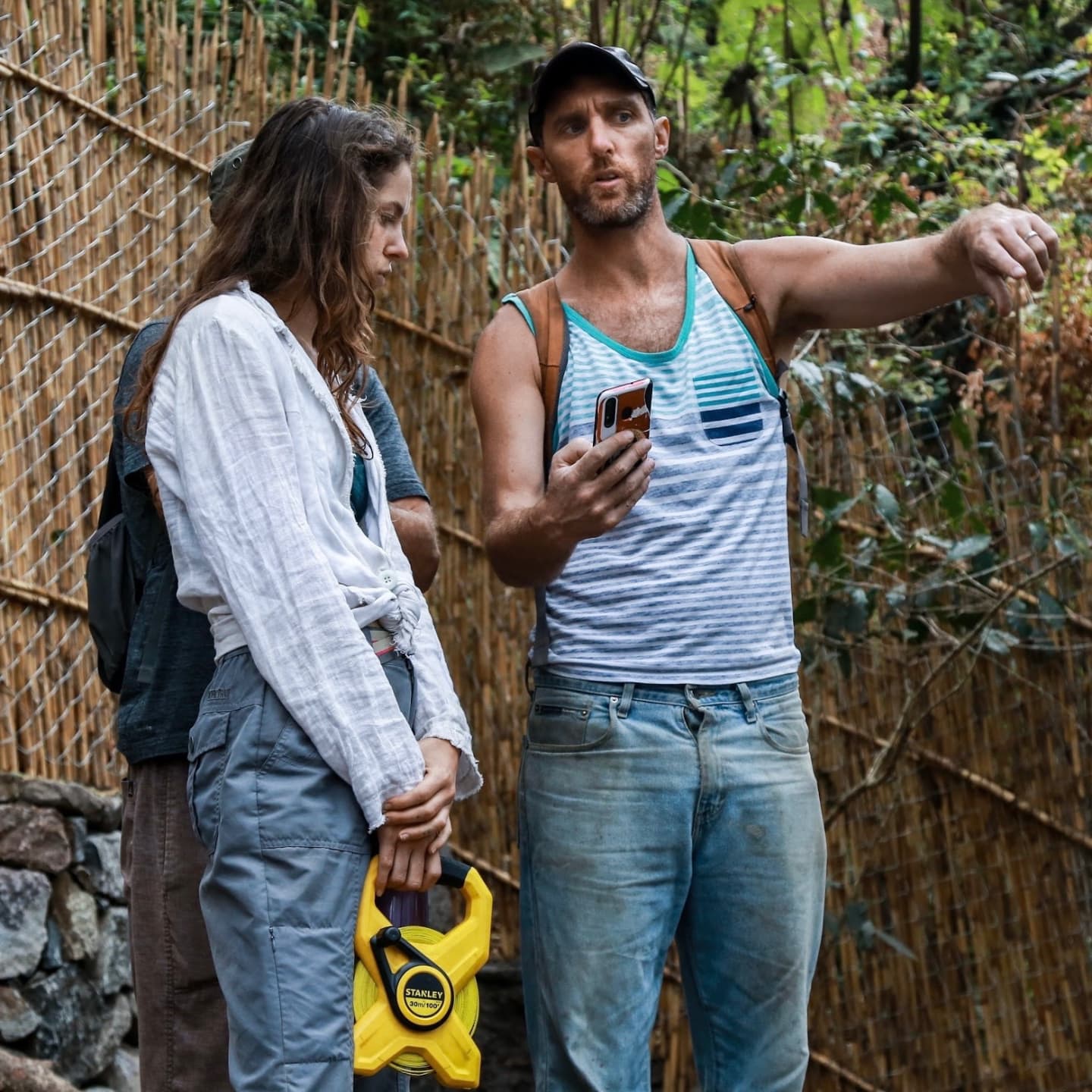
Mornings are for work
Monday to Friday, 8am–1pm
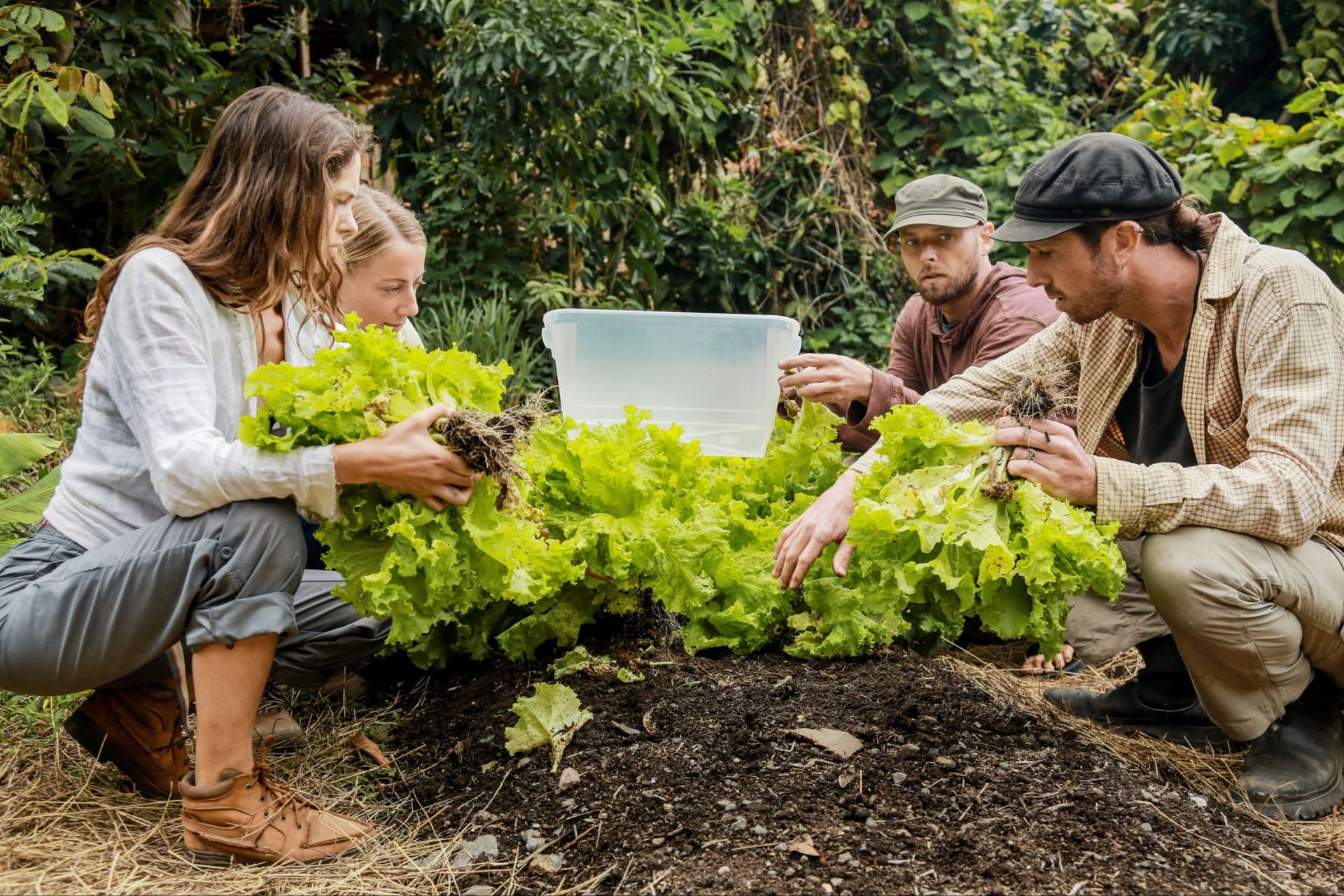
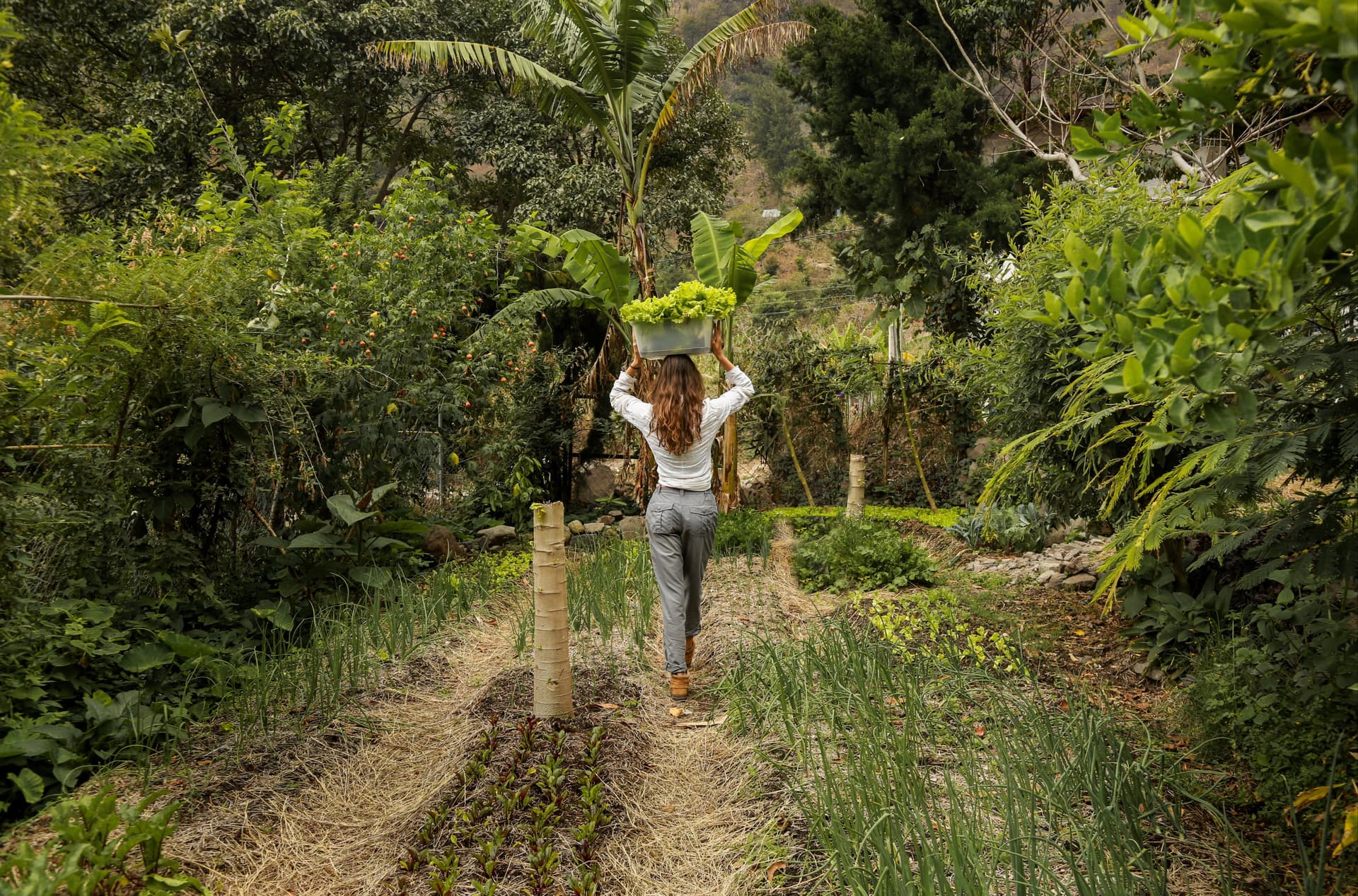
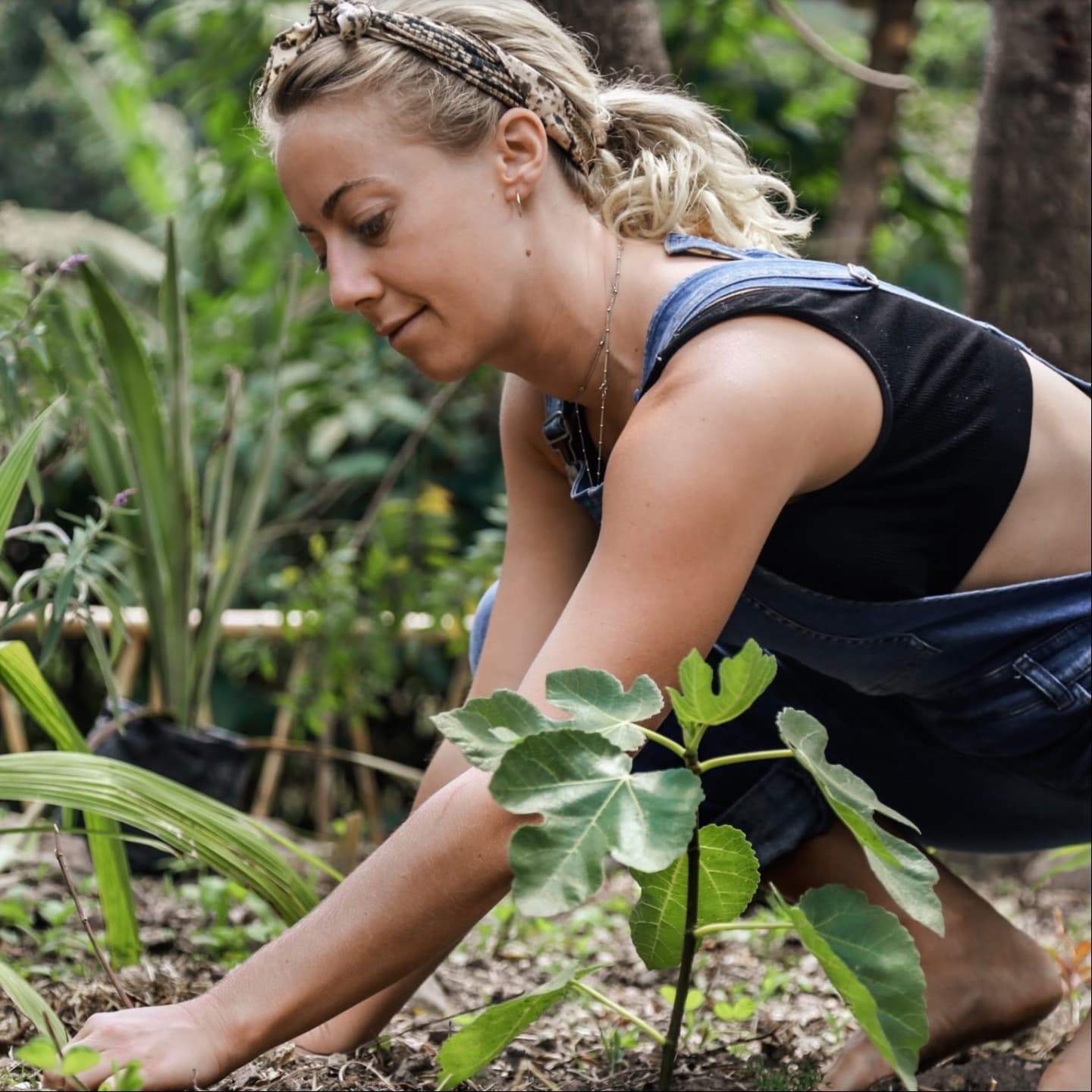
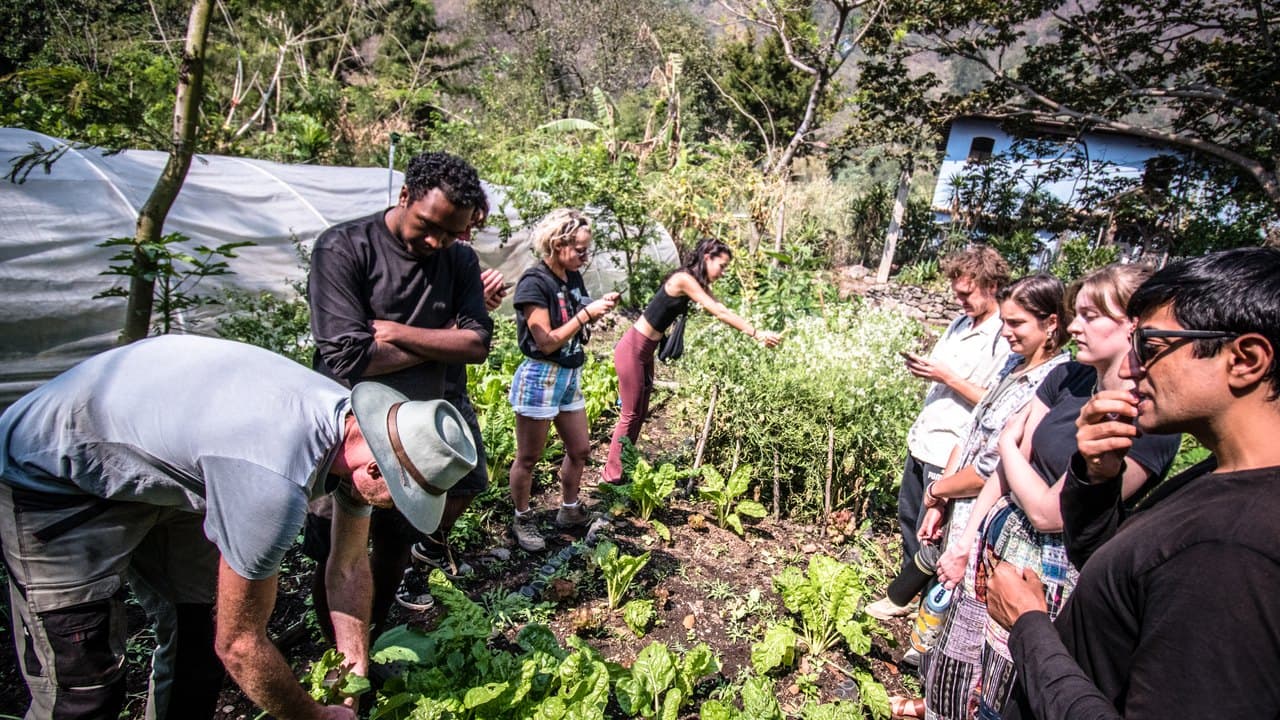
Plant propagation and nursery work. Composting and soil building. Animal systems. Garden and food-forest management. Whatever the farm needs that week — the actual work that keeps a regenerative system alive, alongside people who do it every day.
Afternoons are for learning
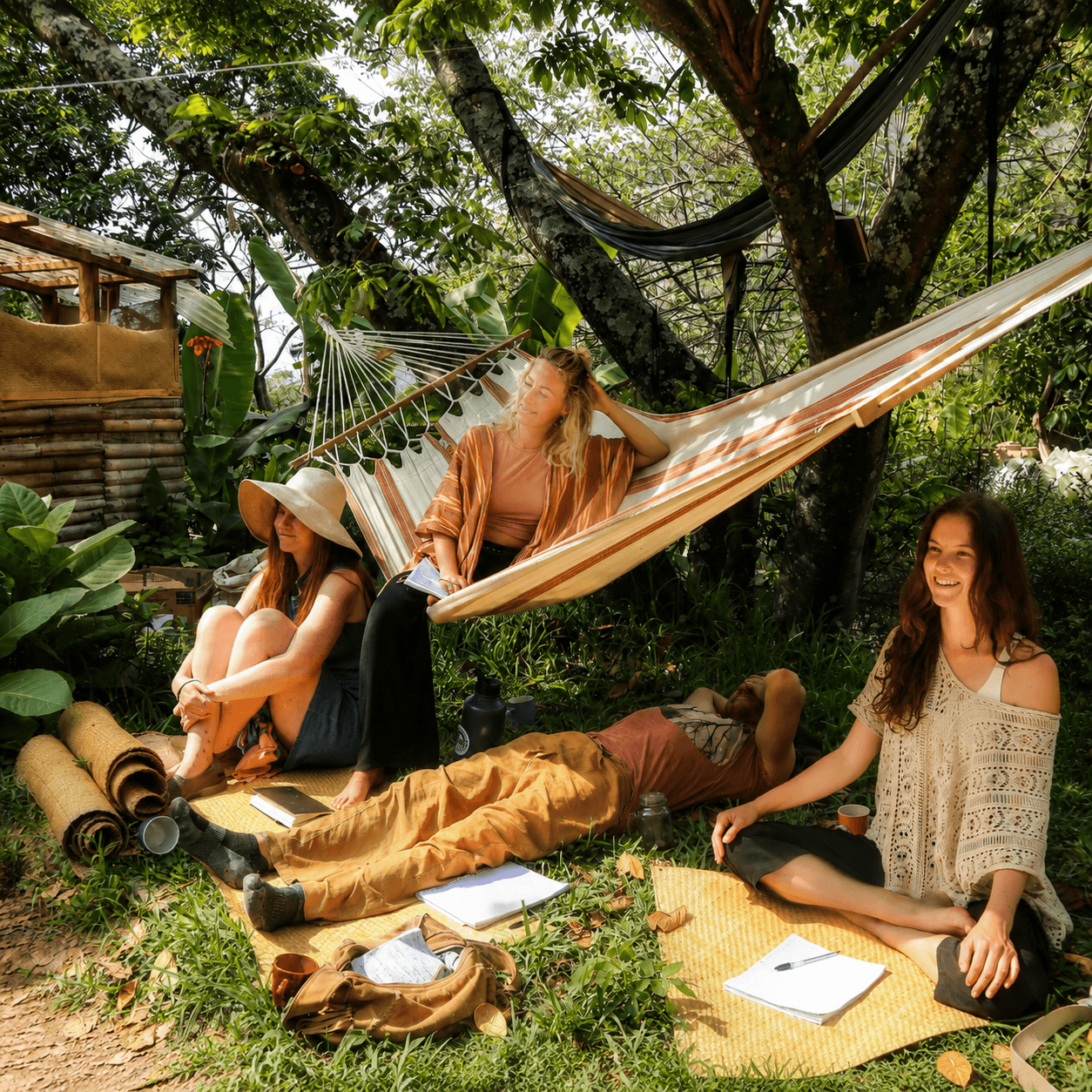
The full $1,500 design course
Full access to the complete CreaSol Online Permaculture Design Course. Work through it at your own pace, then walk outside and see the principles standing in the ground you just worked. That loop is why people learn more here in weeks than in years of reading.
Evenings and weekends are yours
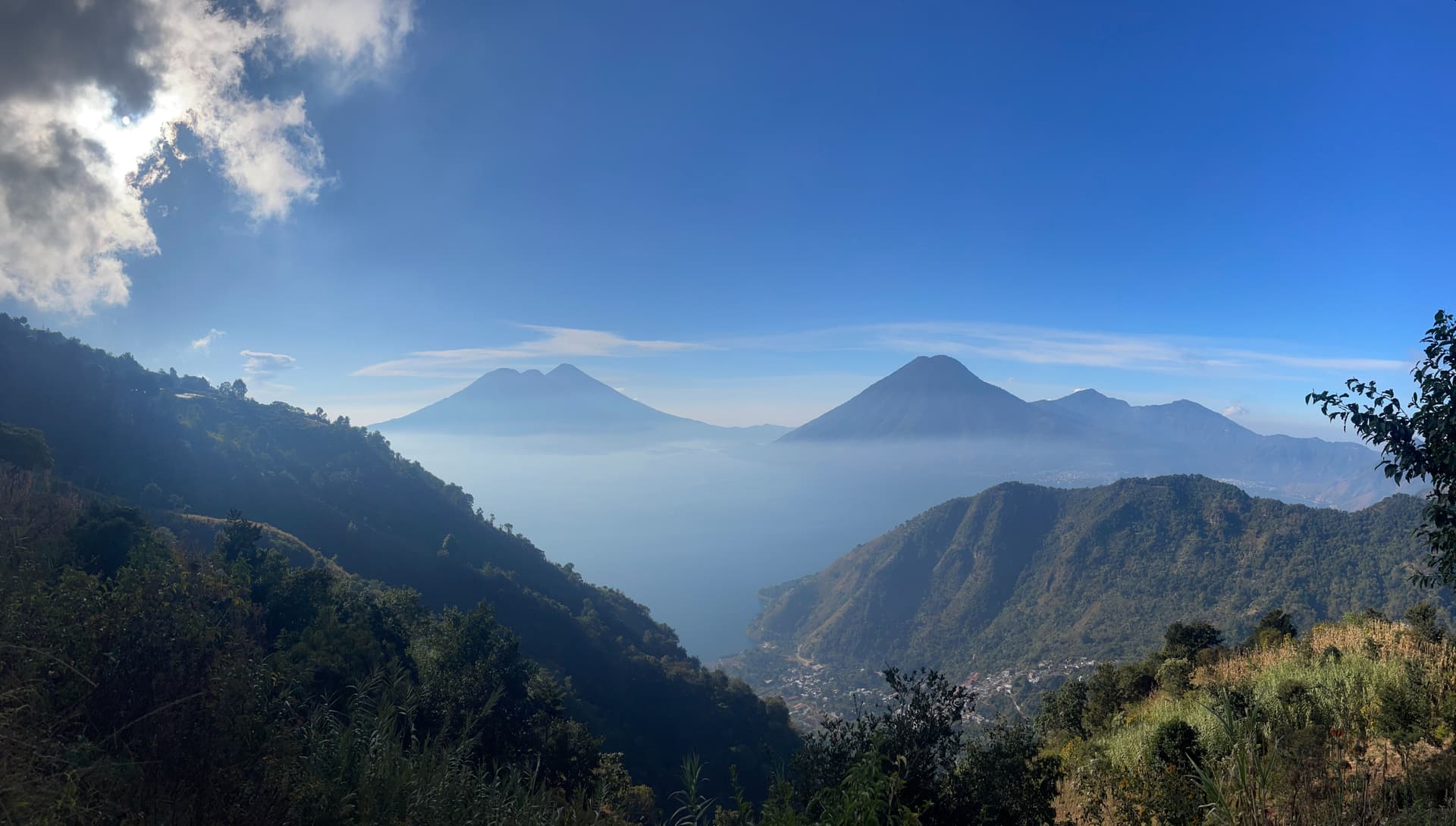
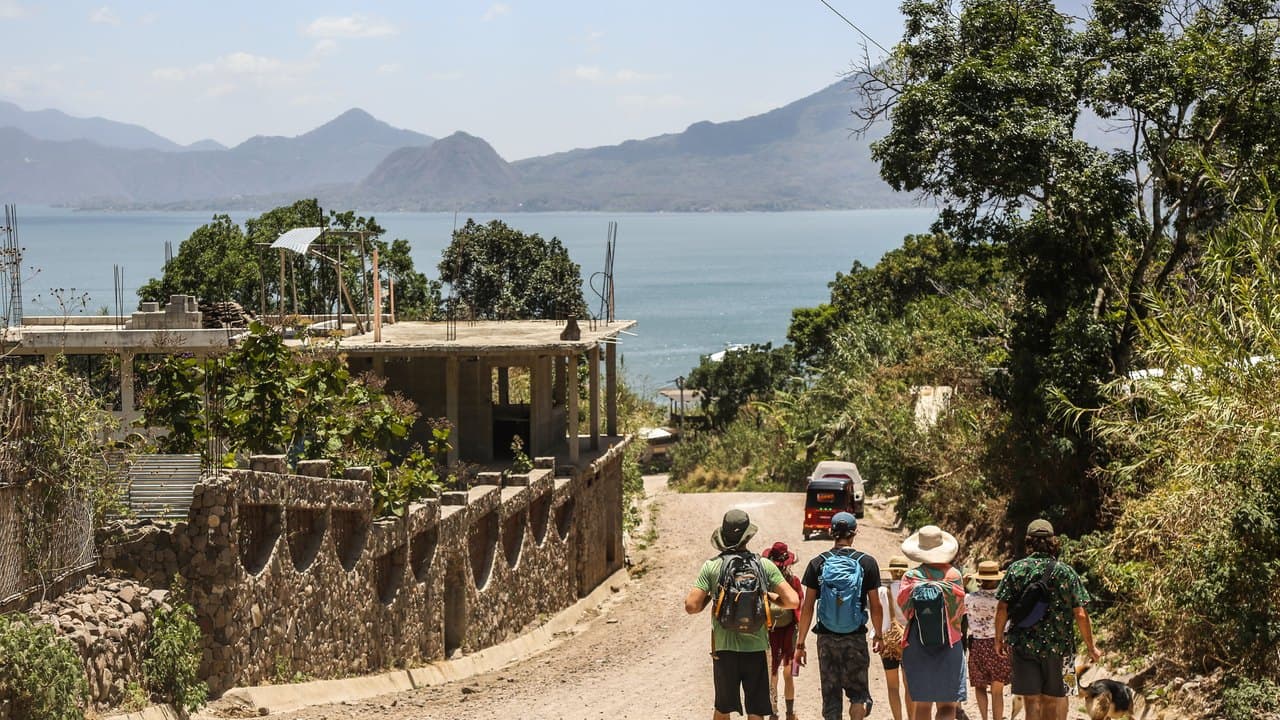
Tzununá, the lake, the volcanoes
Rest, explore the villages, swim, or keep working if the land’s got you. Most people find it’s got them.
Where you’ll live
You’ll stay in our community dormitory. Hot showers, a co-working space, and high-speed internet, so you can stay connected to whatever you need back home. Three home-cooked meals a day, Monday to Friday, made largely from what the farm and the neighbourhood grow.
It’s simple, it’s clean, and it’s shared. You’ll eat with the same people you work with — that table is where half the real learning happens. Prefer your own room? That’s available too (see the cost below).
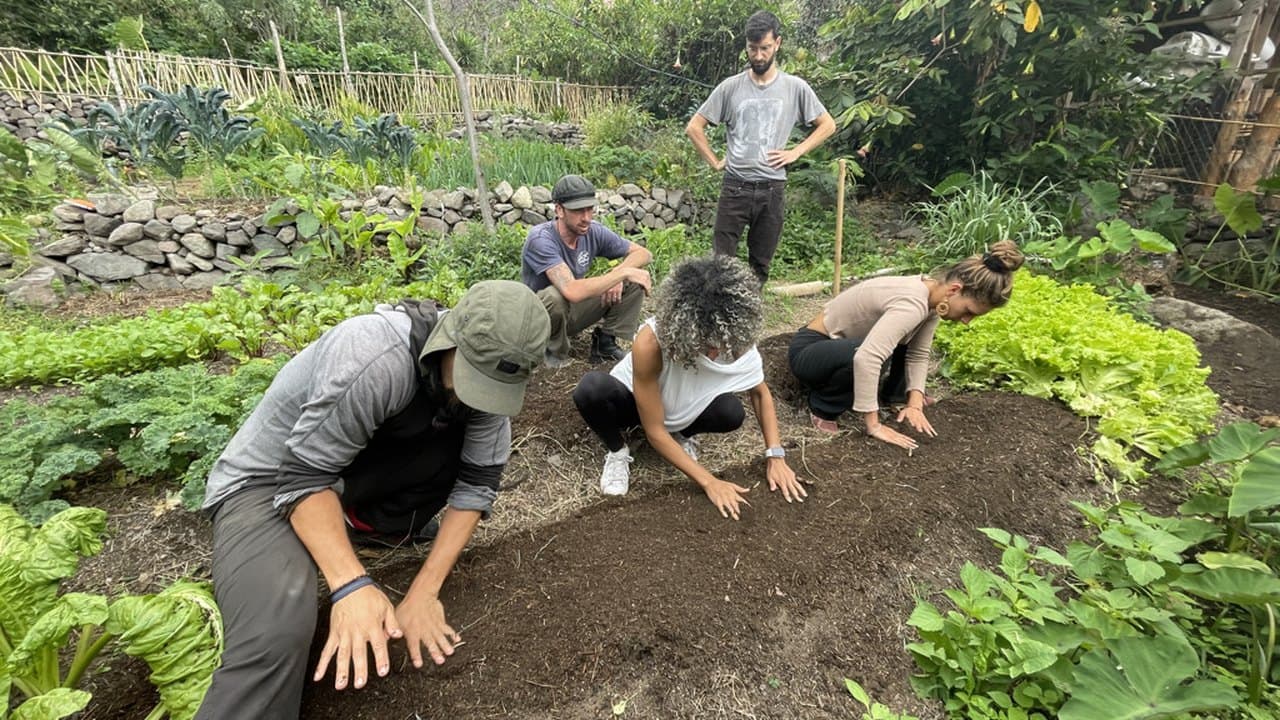
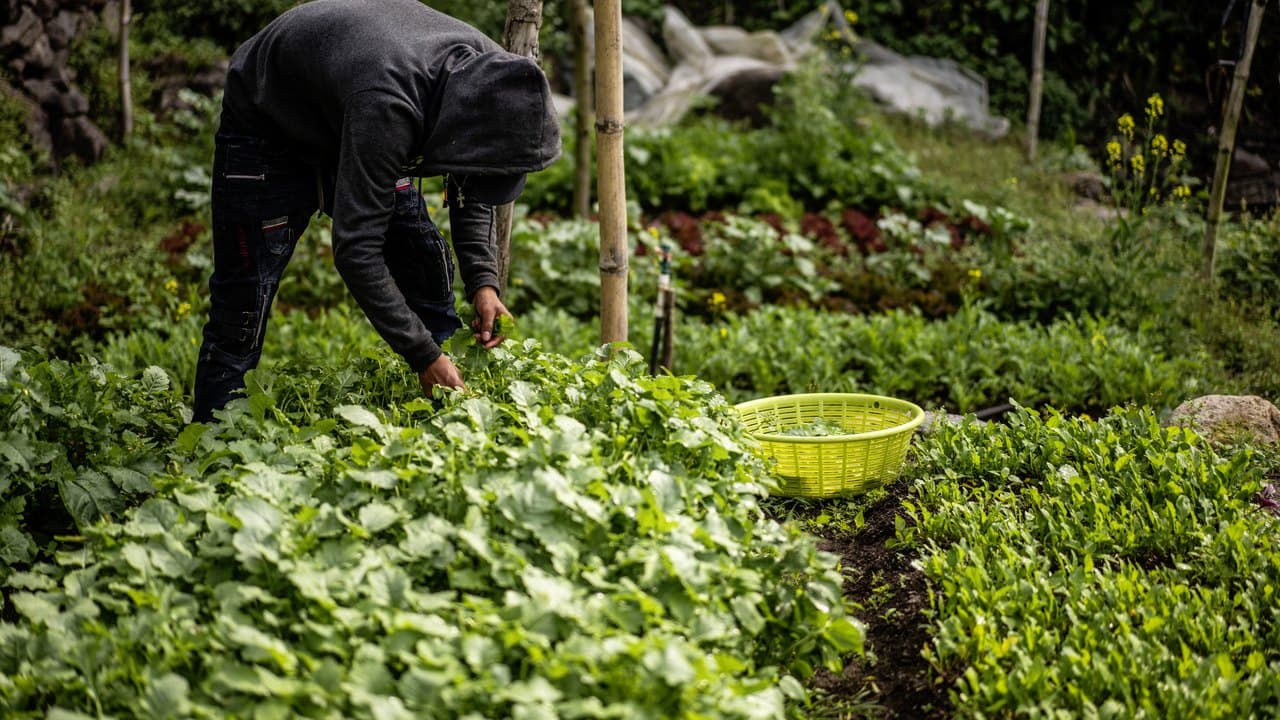
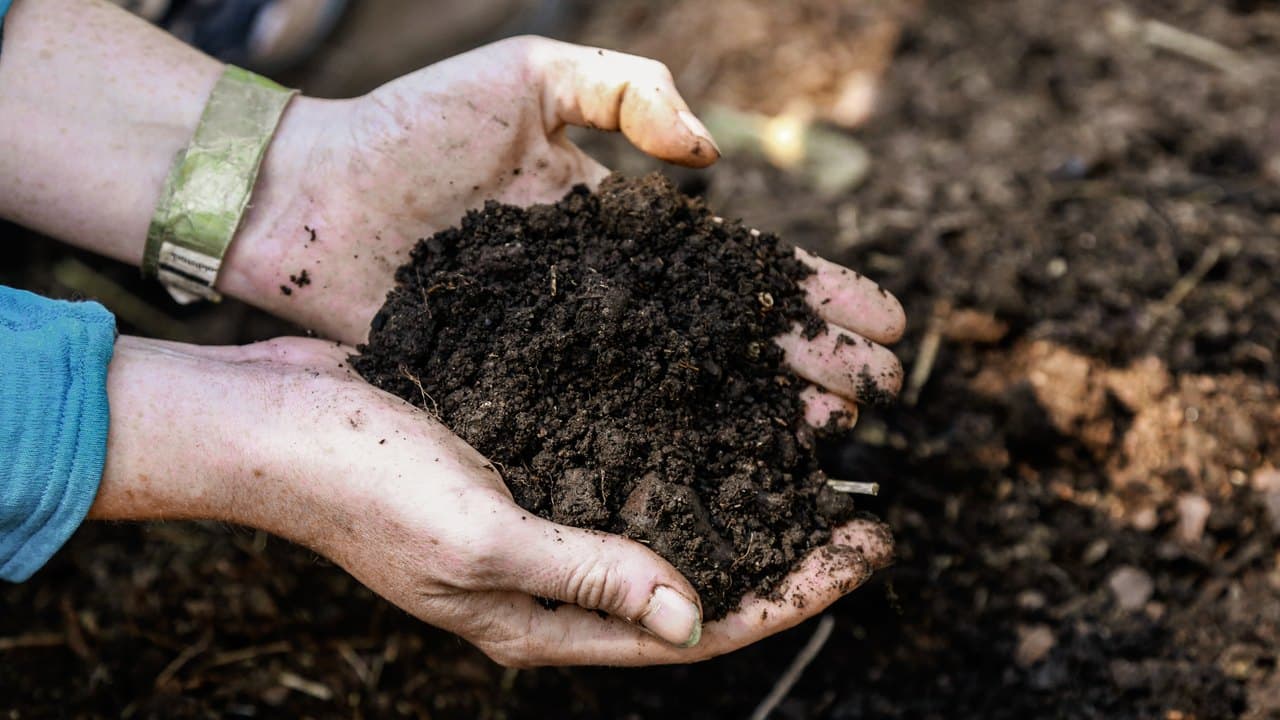
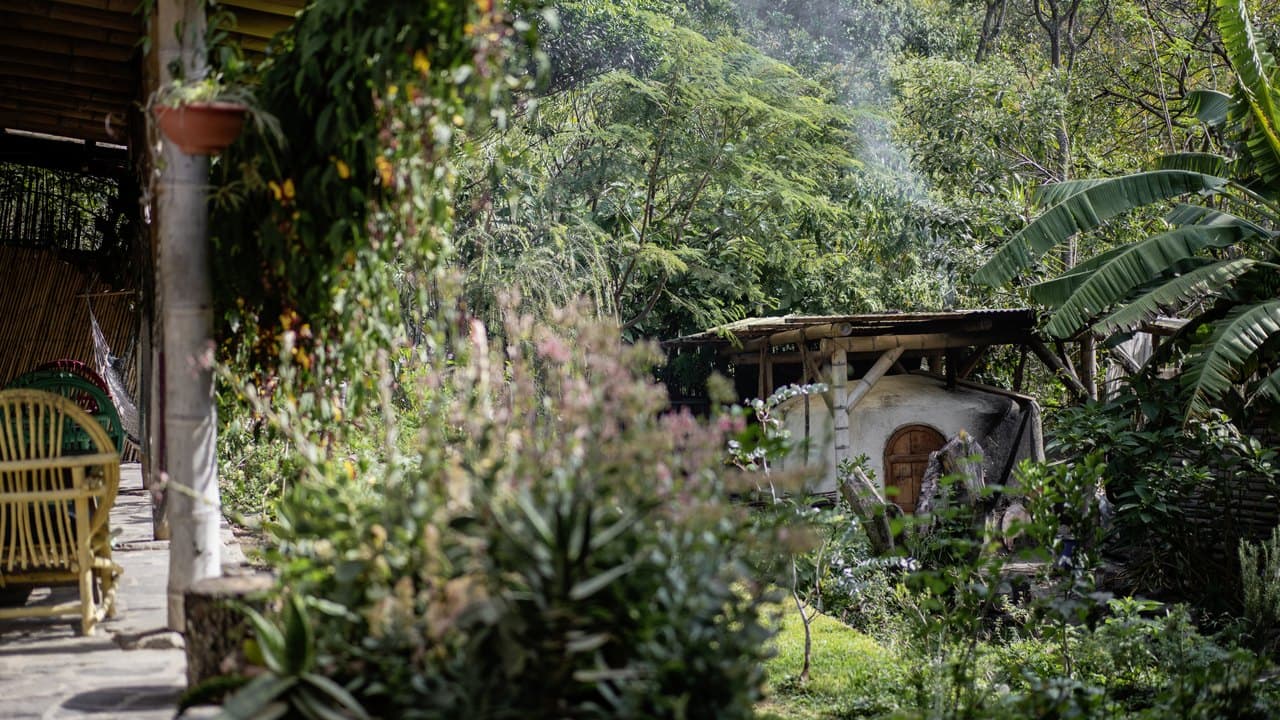
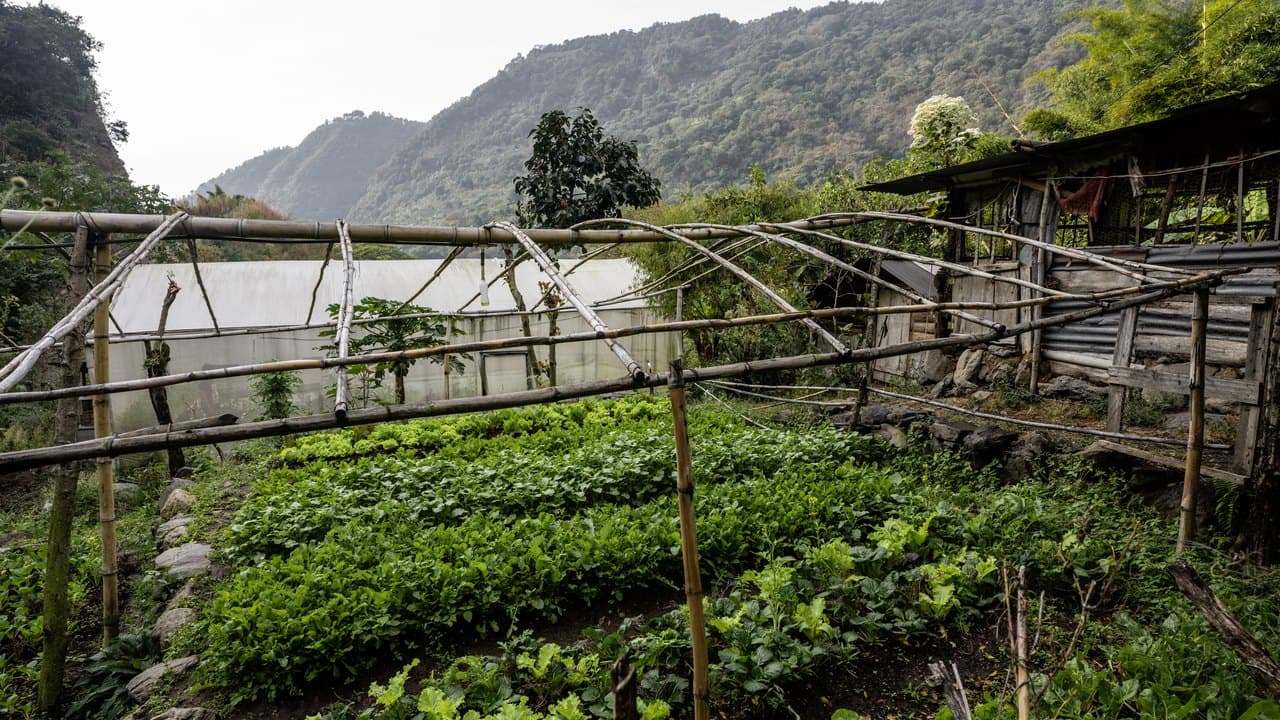
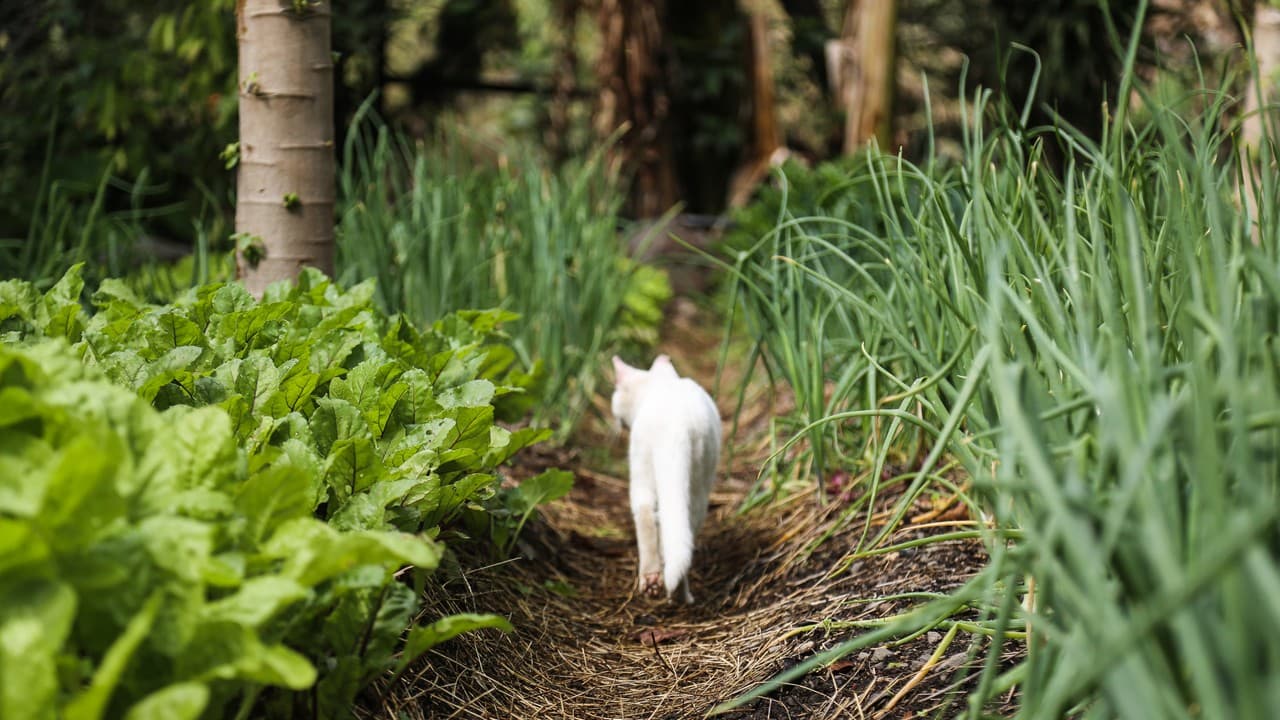
This is the farm Atitlán Organics built
If you’ve looked into permaculture at Lake Atitlán, you’ve heard of Atitlán Organics. After more than a decade, it became one of the most respected regenerative education projects in Central America.
We work hand in hand with them, and today it’s our team — CreaSol and Granja Tz’ikin — that runs the farm. That’s the ground you’ll be working. Not a new project finding its feet, but a decade-plus of established regenerative systems, now in the hands of the people who’ll be teaching you.
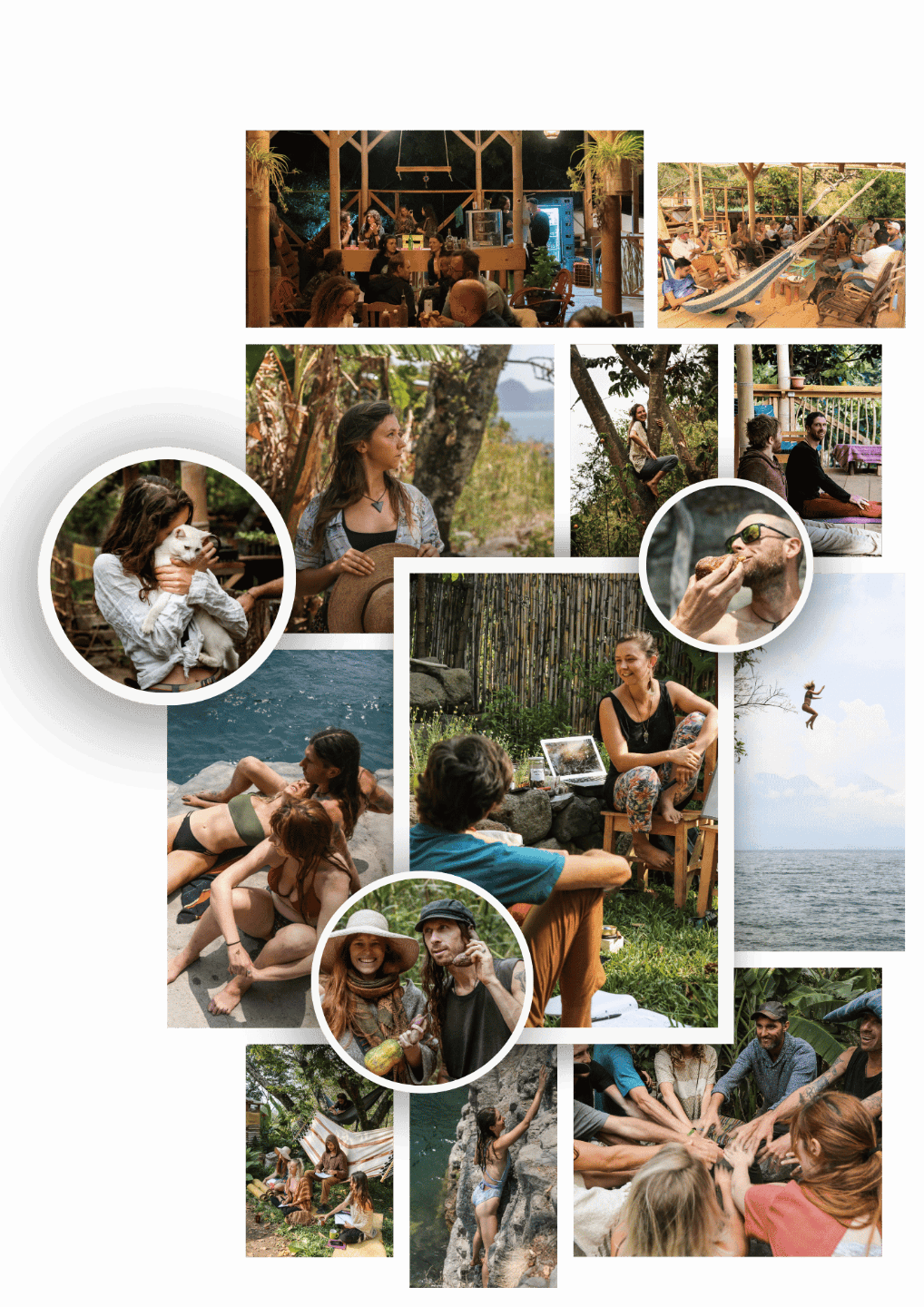
There’s a whole life around the work
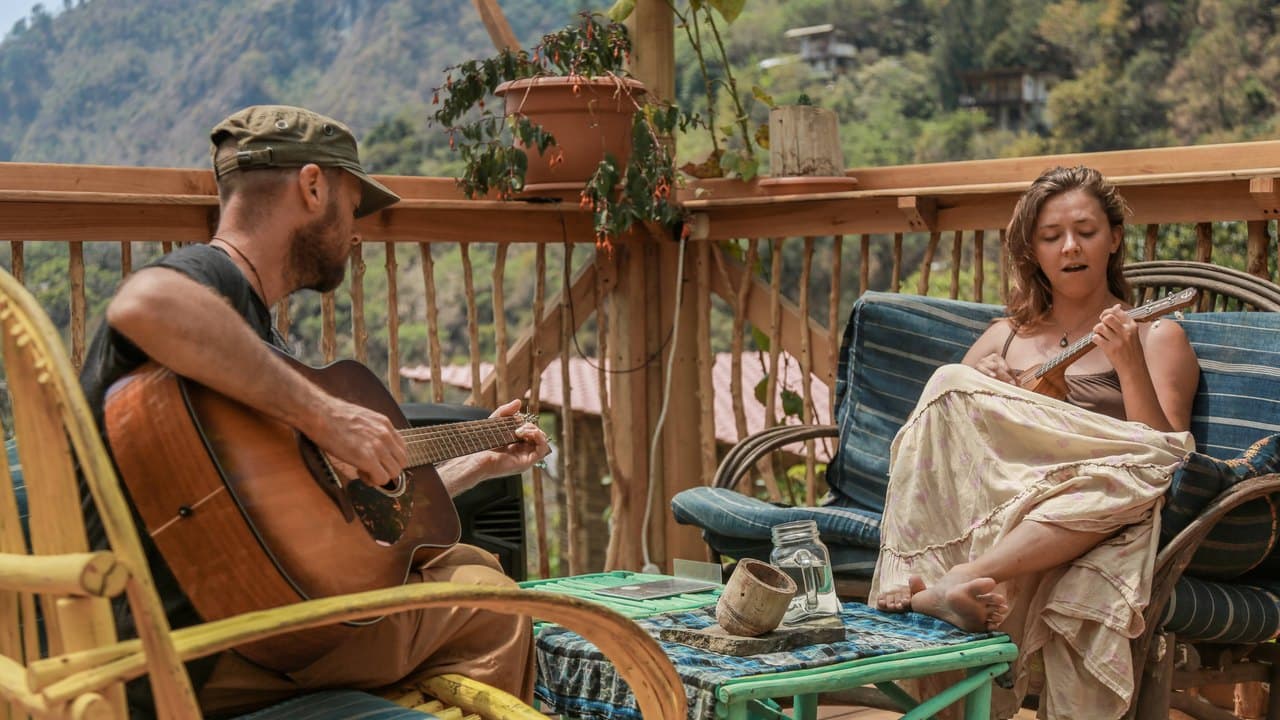
Shared meals, music on the deck, lake swims, learning circles — and the people you’ll do it all with.
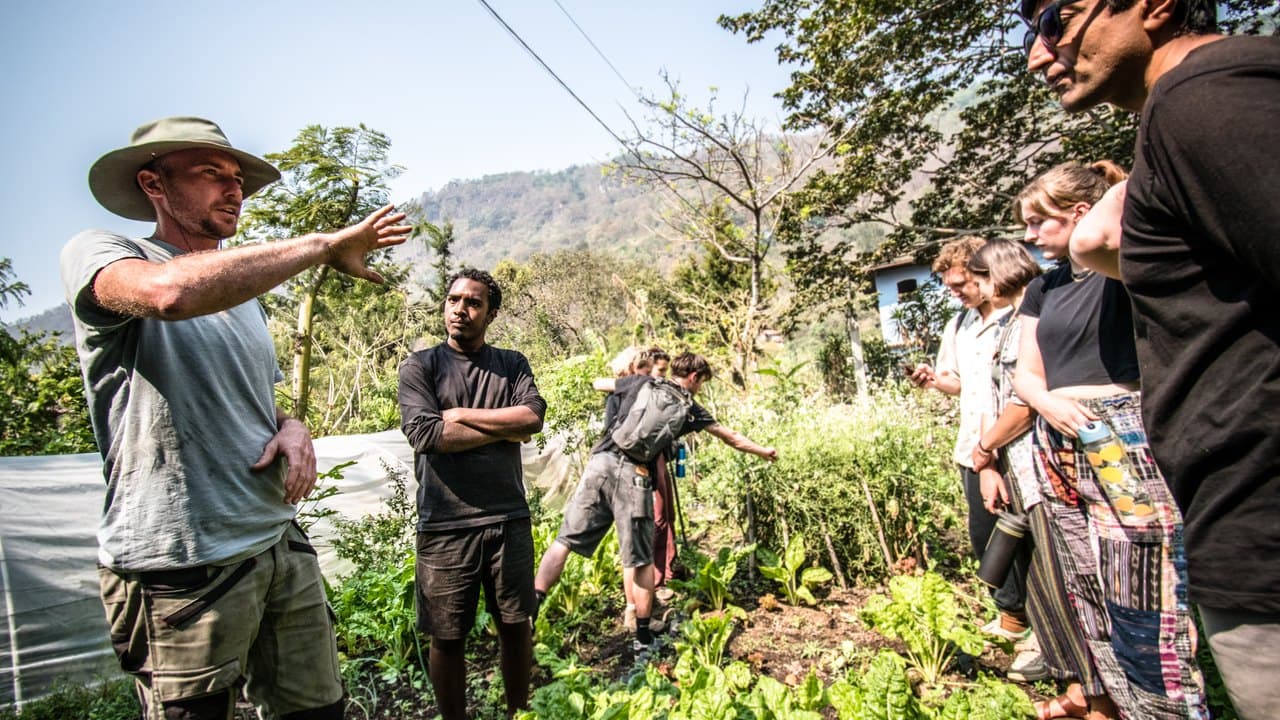
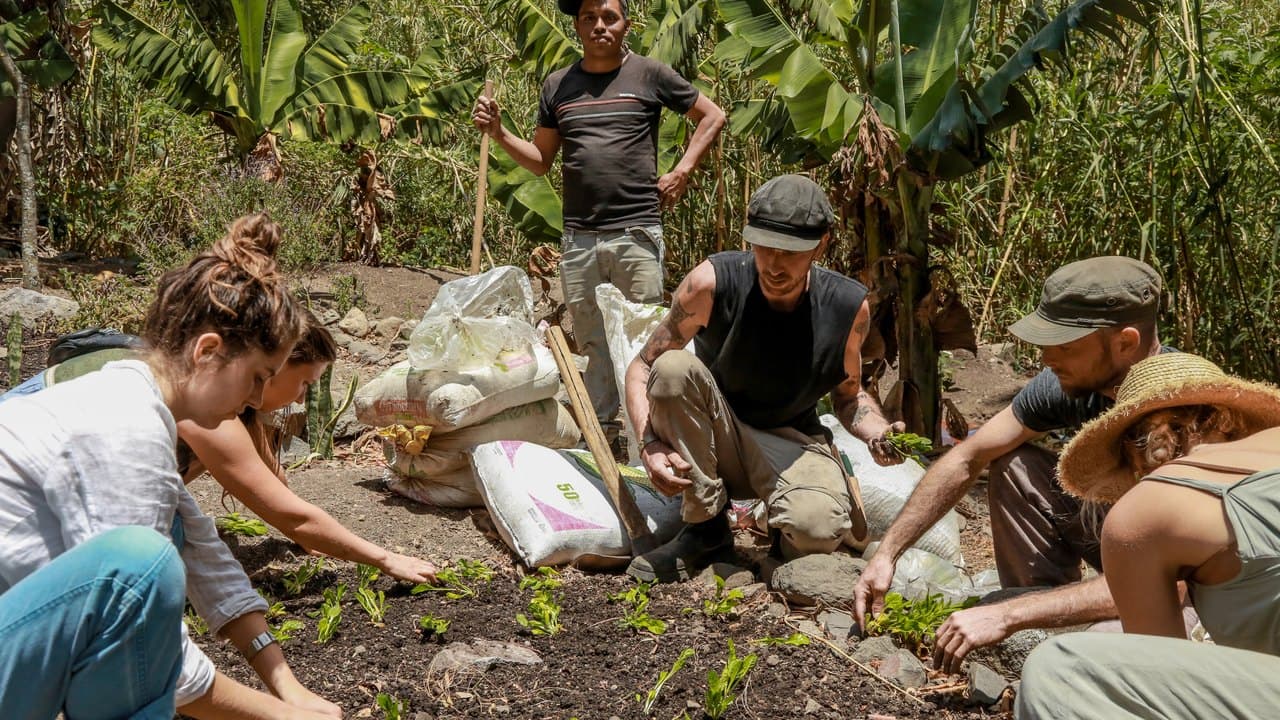

More than a volunteer stint
There are cheaper ways to spend a couple of weeks on a farm at this lake. Some are free. If all you want is a bed, a view, and a couple of light hours in a garden, take one of those — genuinely, no hard feelings.
This is a different thing. You’re working a real design operation, learning a structured course, and living beside people who do this professionally. For a lot of our interns, a few weeks here is where they find out this isn’t a phase — it’s what they want to do with their life.
And when that happens, there’s a next step. The internship is the front door to our professional design program, where people go from loving this work to earning a living from it. You don’t have to know that’s where you’re headed. But if the farm gets its hooks in you, the path keeps going.
Who this is for, and who it isn’t
This is for you if
- You want to work, not just watch.
- You learn best with your hands.
- You’re happy in a simple shared dorm and a plate of farm food.
- You’d rather understand one farm deeply than tick off ten countries.
This isn’t for you if
You’re looking for a free stay with a couple of easy hours and fast wifi for remote work. That’s a fine thing to want, and it’s not what this is. Mornings here are real work, and the point is to learn by doing it. If that sounds like the best part, you’re our kind of person.
The cost, in full
Here’s everything, with nothing hidden. The number you see is the number you pay.
Want your own room? A private room is available for an extra Q1,500/month (~$195). Otherwise you’re in the shared community dorm — which is where most people choose to be anyway. It’s half the experience.
The longer you stay, the lower the weekly rate. Minimum stay is two weeks — but most people who come for two wish they’d booked a month.
Every price includes:
- Your bed in the community dorm
- Hot showers, co-working space and high-speed internet
- Three home-cooked meals a day, Monday to Friday
- Hands-on morning training on the farm
- Full access to the CreaSol Online Permaculture Design Course ($1,500 value on its own)
Weekends are yours to explore, so meals aren’t included Saturday and Sunday — most people head out to the villages and the lake. If you’d rather stay in, you can order from our bar. No course fees on top, no surprise add-ons.
What people say
I came to Granja Tz’ikin to volunteer and learn. I left with new skills, lifelong friendships, unforgettable memories, and a vision for what’s possible. Two years here changed the course of my life.
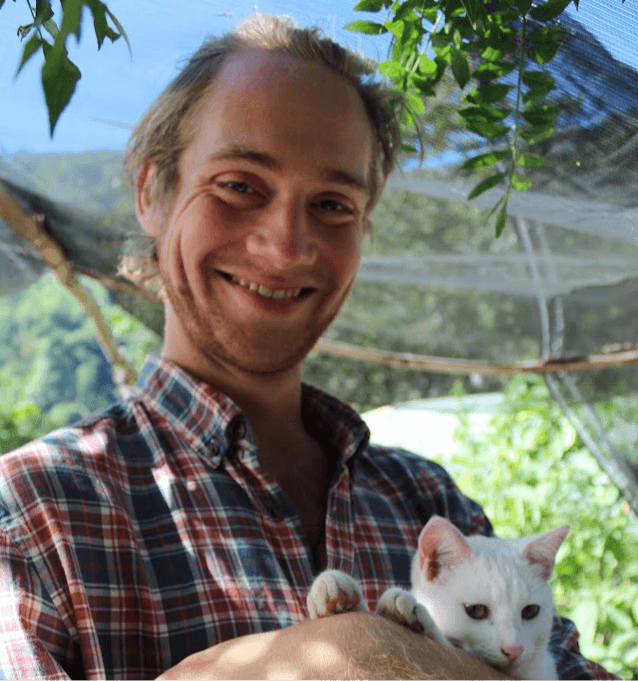
Interning at CreaSol was a life-changing experience. I learned more in a few weeks than I ever could have from books. The community, the land, the projects — everything about it was inspiring.
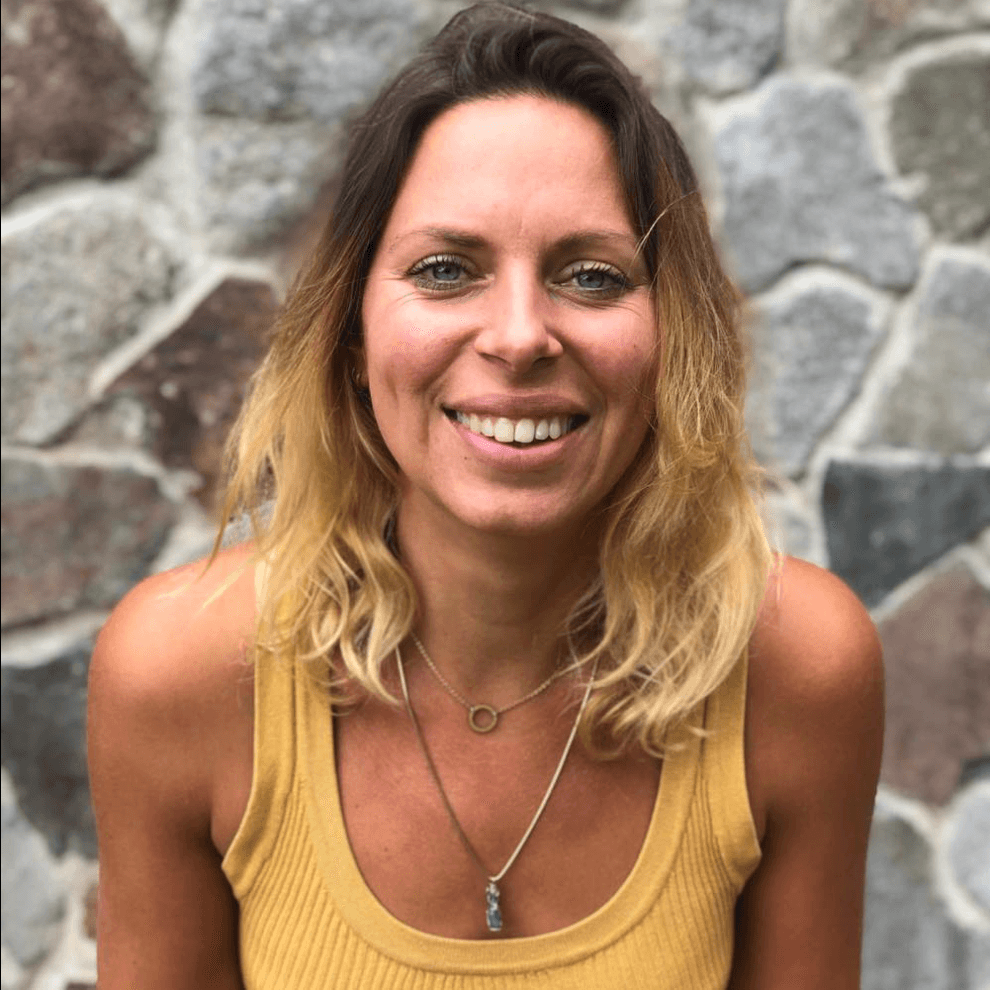
I could truly feel the love, energy, and vision behind what you are creating here. Keep holding onto the dream — it’s something very special.
A few practical questions
Do I need prior experience in permaculture or farming?
No. The program is designed for both beginners and experienced participants.
Is the work physically demanding?
Yes. This is hands-on, outdoor work — moving, digging, lifting, in a subtropical climate — but always as part of a supportive team.
What should I bring?
Comfortable work clothes, good shoes or boots, a rain jacket, water bottle, notebook, and swimwear. We’ll send a full packing list once you’re accepted.
How do I get there?
Most people fly into Guatemala City. From there it’s about a 3–4 hour journey to Lake Atitlán, and we guide you step by step.
Can I stay longer or extend?
Yes. Many people extend once they arrive — longer stays mean deeper learning, stronger relationships, and a lower weekly rate.
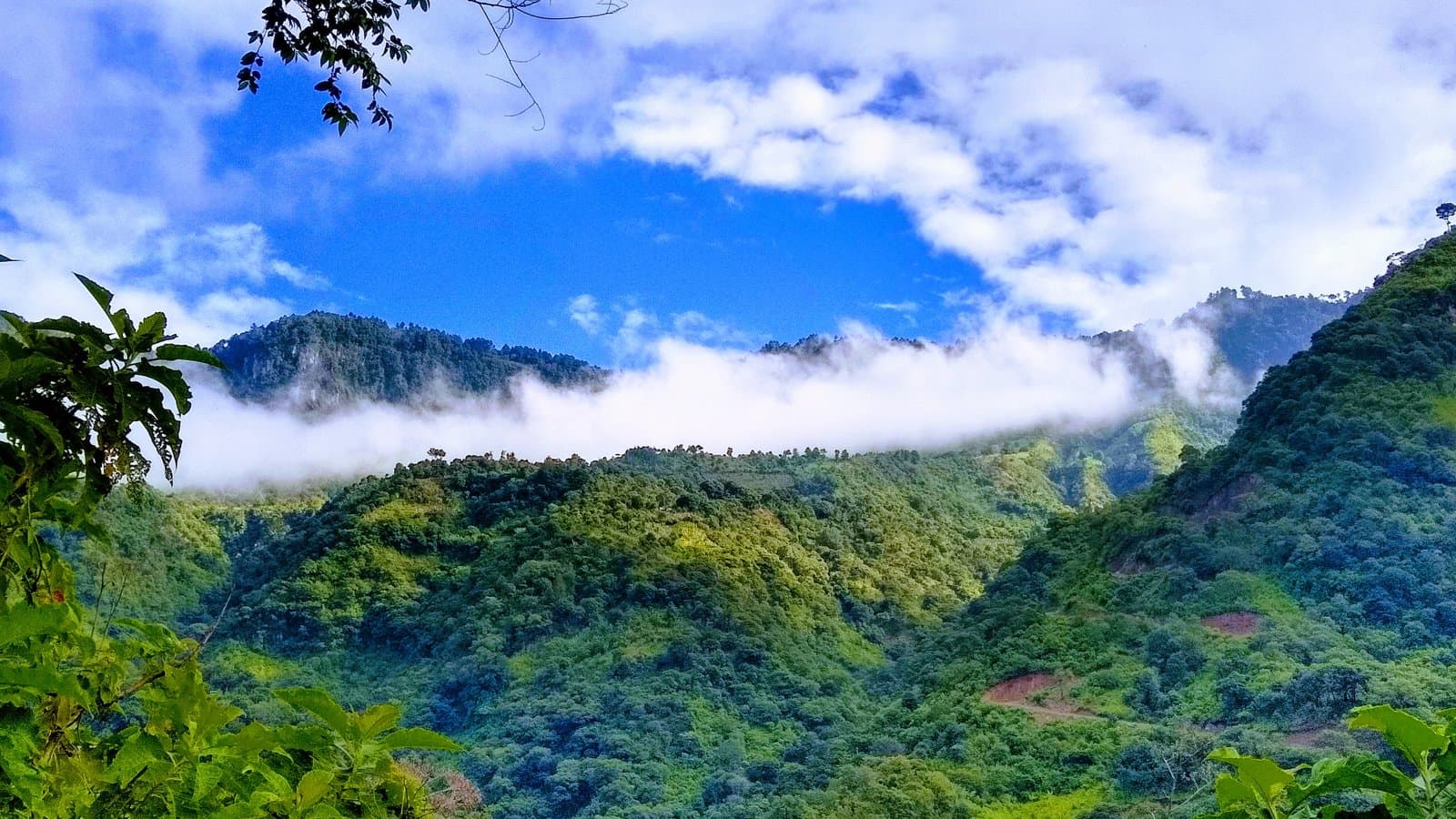
Come find out what it feels like to live on land that’s alive.
Tell us a bit about yourself, when you’d like to come, and how long you’re thinking. We’ll get back to you, answer your questions, and if it’s a fit, get you a spot. Come for two weeks. Come for a month.