We don't teach anything we haven't built ourselves.
Since 2008 we've designed and built regenerative systems across Guatemala and internationally — farms, food forests, water systems, and whole eco-communities. Our own farm, Granja Tz’ikin, is where every method we teach was proven first.
How this work began
I first came to Guatemala in 2008 as a volunteer, then came and went for a few years while finishing a master’s in sustainable development. Somewhere in there I decided to give my life to this work.
I started in the non-profit world — with organisations like IMAP, the Mesoamerican Permaculture Institute — building seed banks and community food-sovereignty projects. Then I left the NGO sector and went out on my own as a freelance designer, consultant, and educator. Over the years that put me alongside some of the region’s leading regenerative businesses: Caoba Farms, Dalileo Chocolate, Forestbrew Coffee, and Nimha cattle grazing.
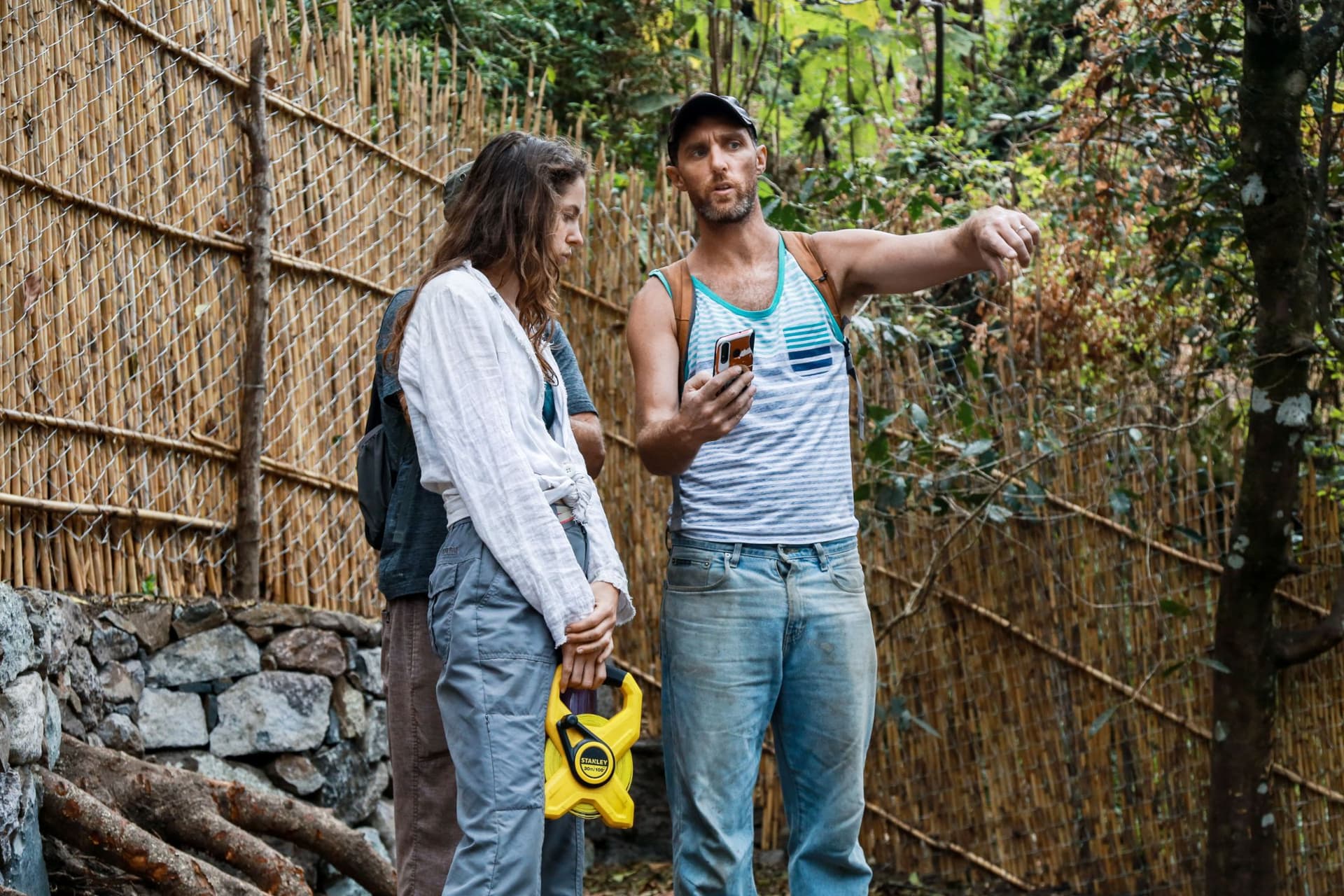
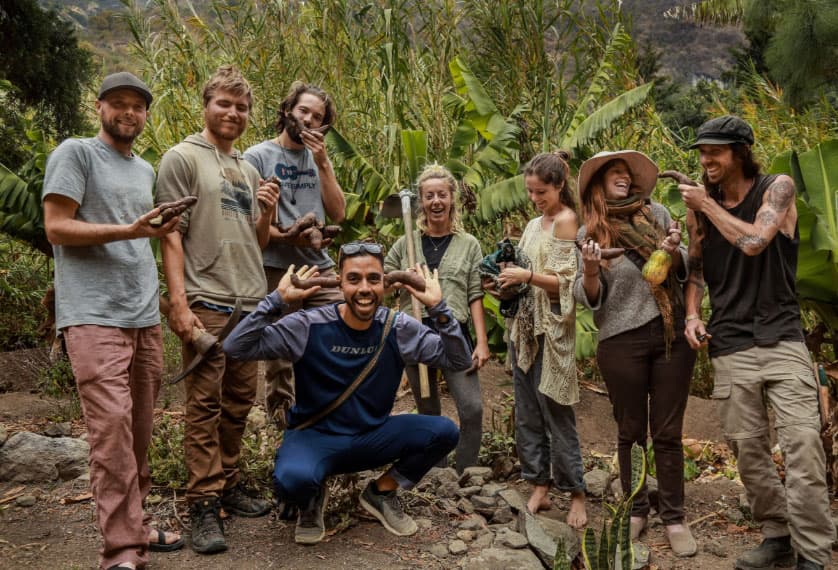
In 2017 I co-founded Granja Tz’ikin with my wife Adriana and my business partner Jeremy Fellows. Together we didn’t just build a model permaculture farm, a farm-to-table restaurant, and a community — we’ve worked side by side on a whole range of regenerative building and landscaping projects, and a growing number of community watershed-restoration efforts around the lake.
Two designers, one team
When you work with us, you don’t get one designer. You get two, and we’ve split the work along our strengths over years of doing it together.
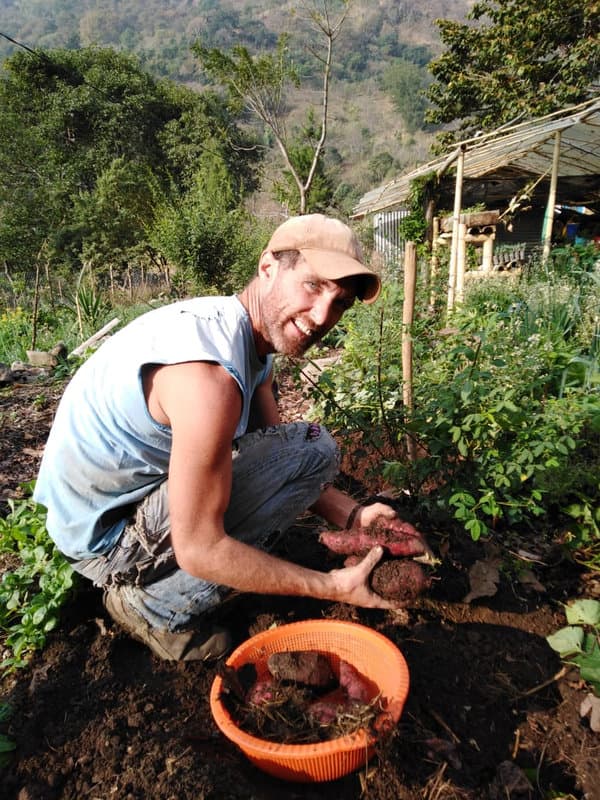
Neal leads the big vision
The site planning, the design, and the social-impact plan. Where everything goes, why, and what it means for the people and the land around it.
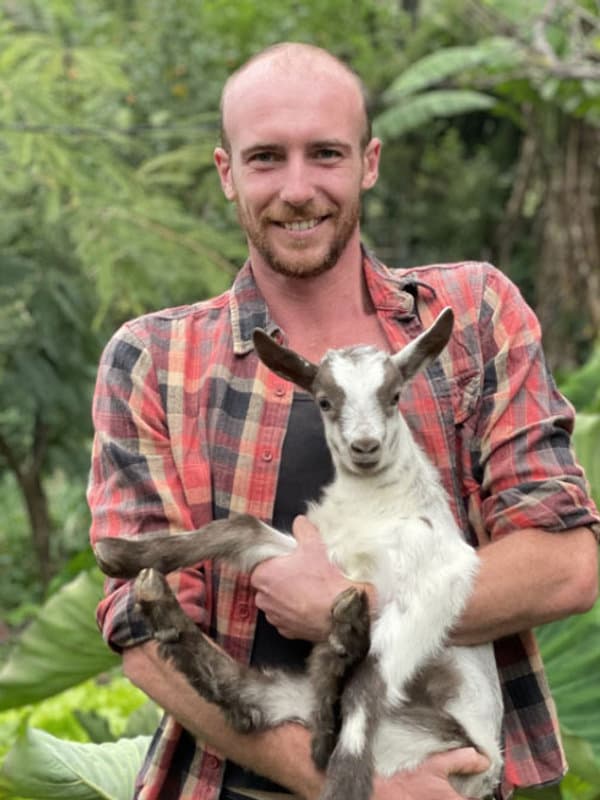
Jeremy leads the execution
The budgeting, the detail work, and either managing the build for you or training your own team to do it. More than fifteen years of project management and highland horticulture behind every call.
And together we can document your project and establish you as a leader in the regenerative movement — because a well-told project doesn’t just get built, it inspires the next hundred.
Jeremy is also the lead facilitator and design mentor in our training program, so our students draw on that same depth of project-management experience. This partnership — visionary and builder, working as one — is the thing no other studio in the region can offer.
Flagship project
Granja Tz’ikin
Tzununá, Lake Atitlán
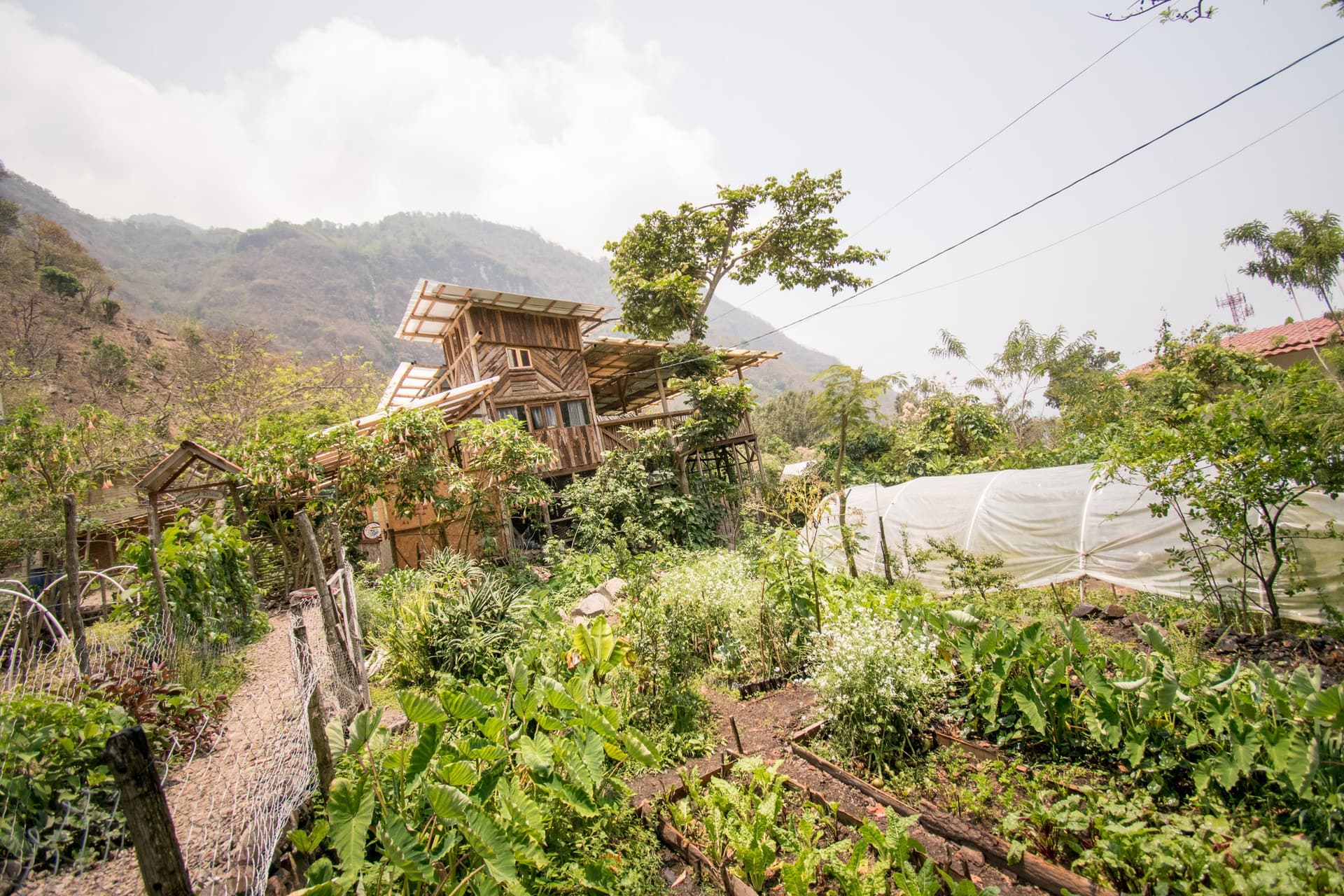
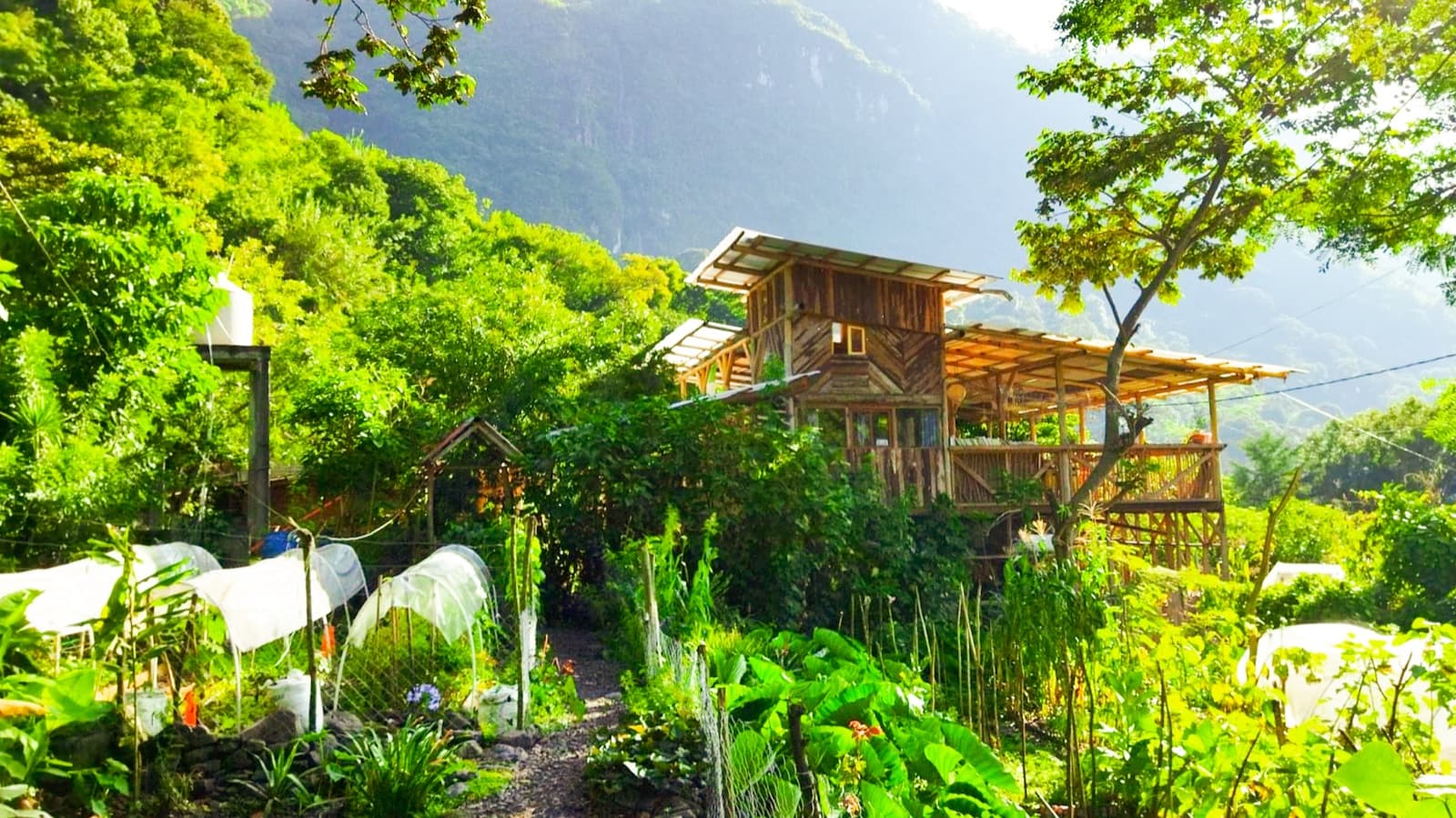
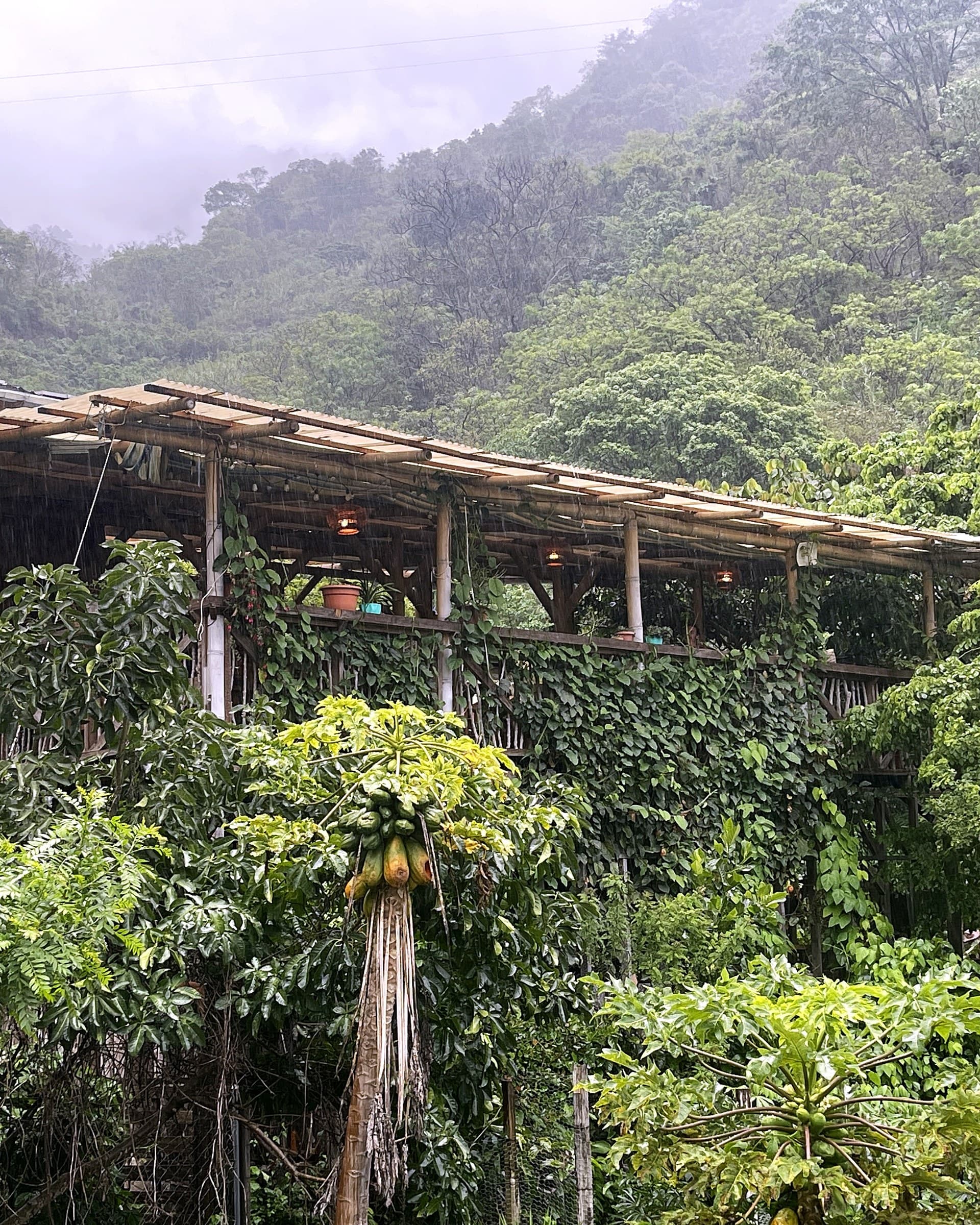
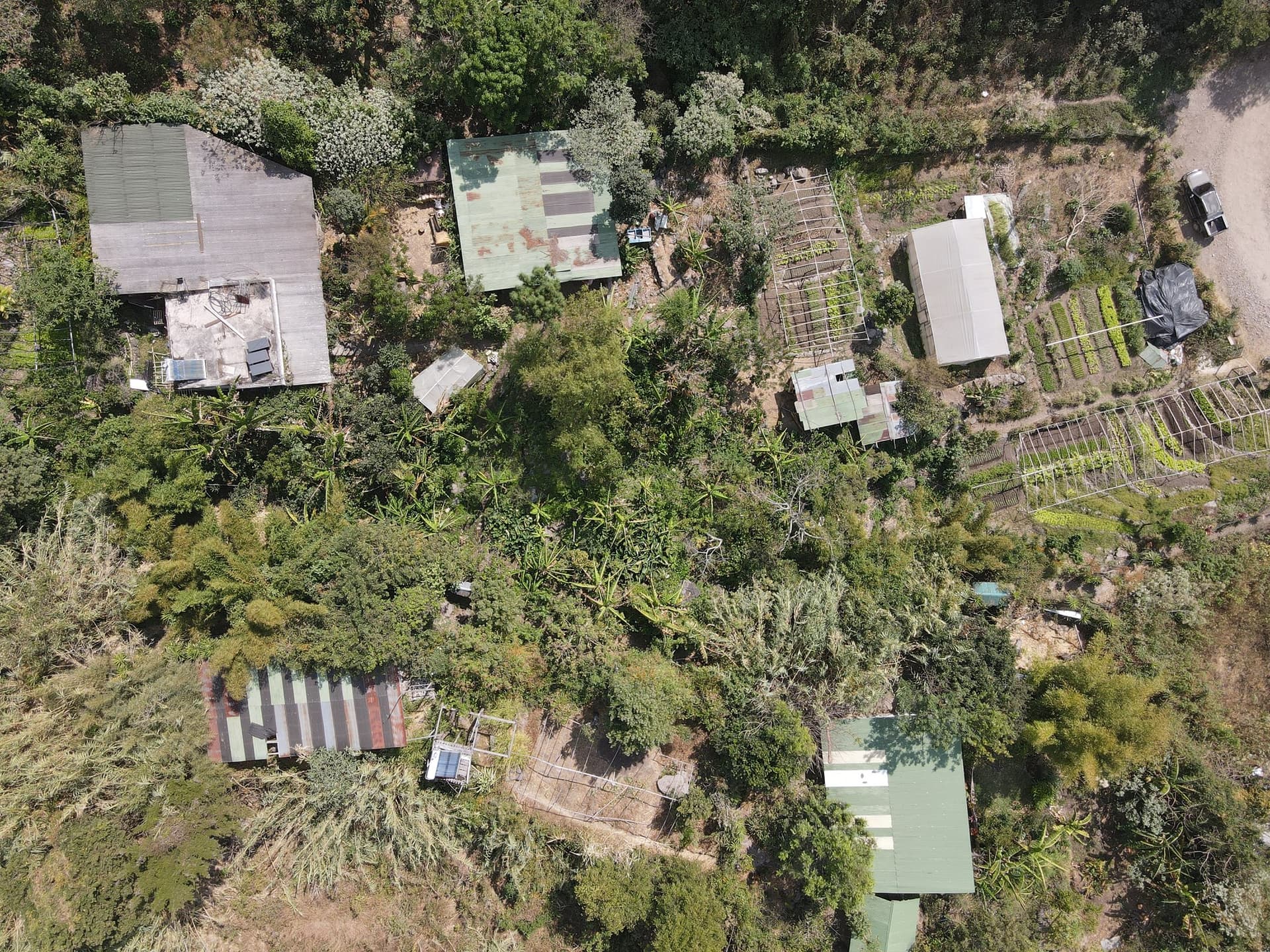
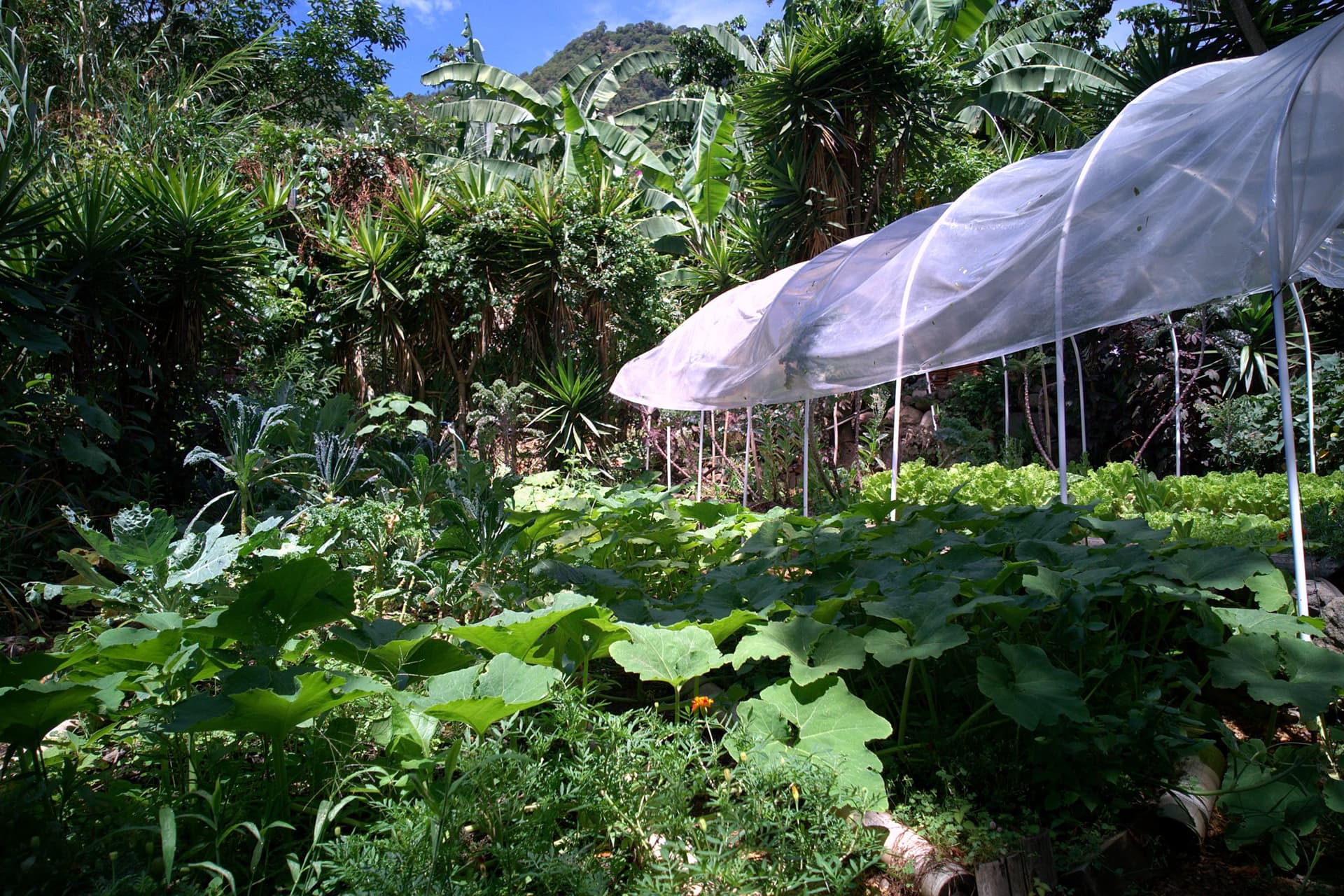
This is our home, our farm, our restaurant, and our living laboratory. Every design method we teach was tested here first — on our own land, with our own money, in front of neighbours who’d notice if it failed.
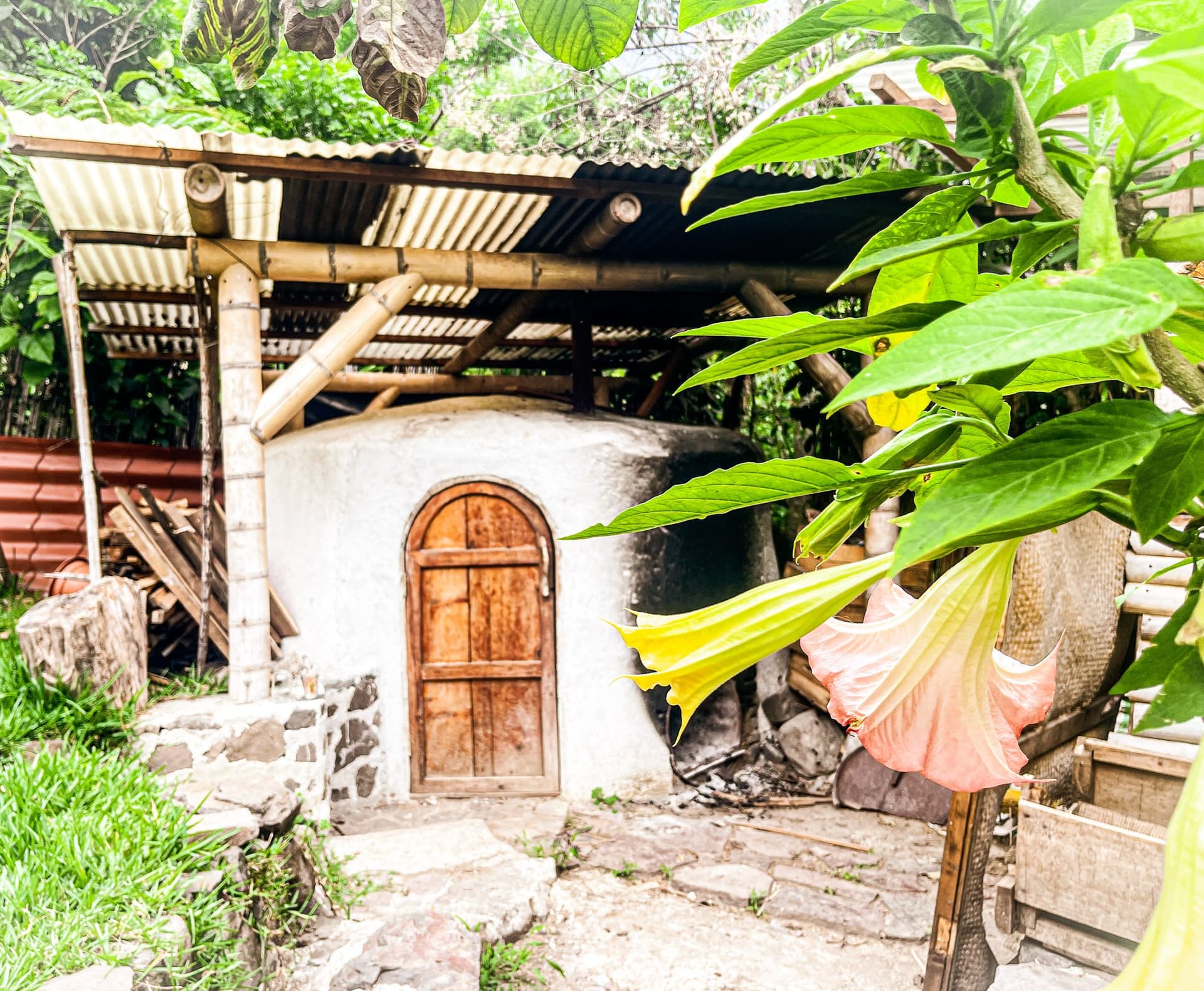
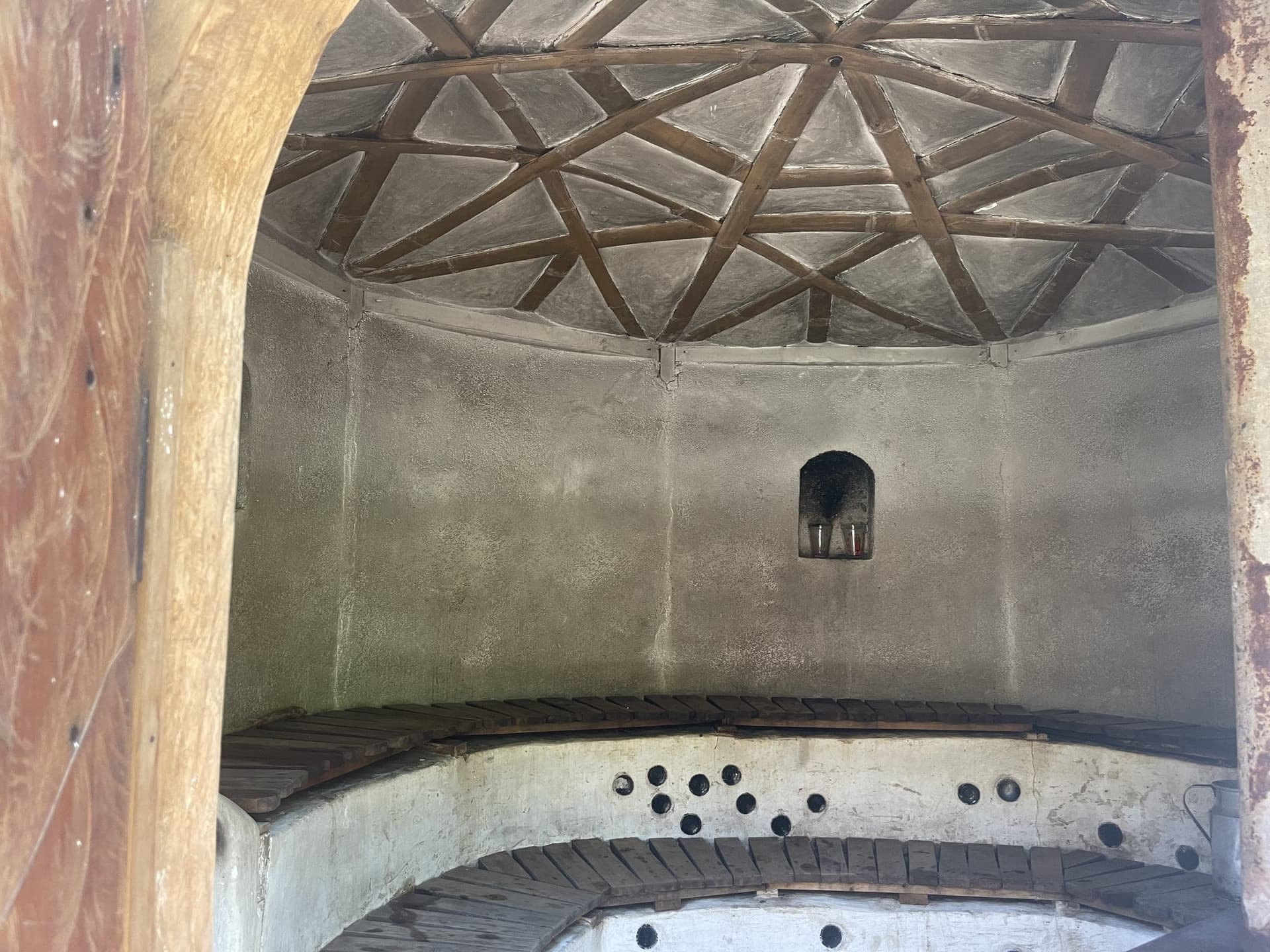
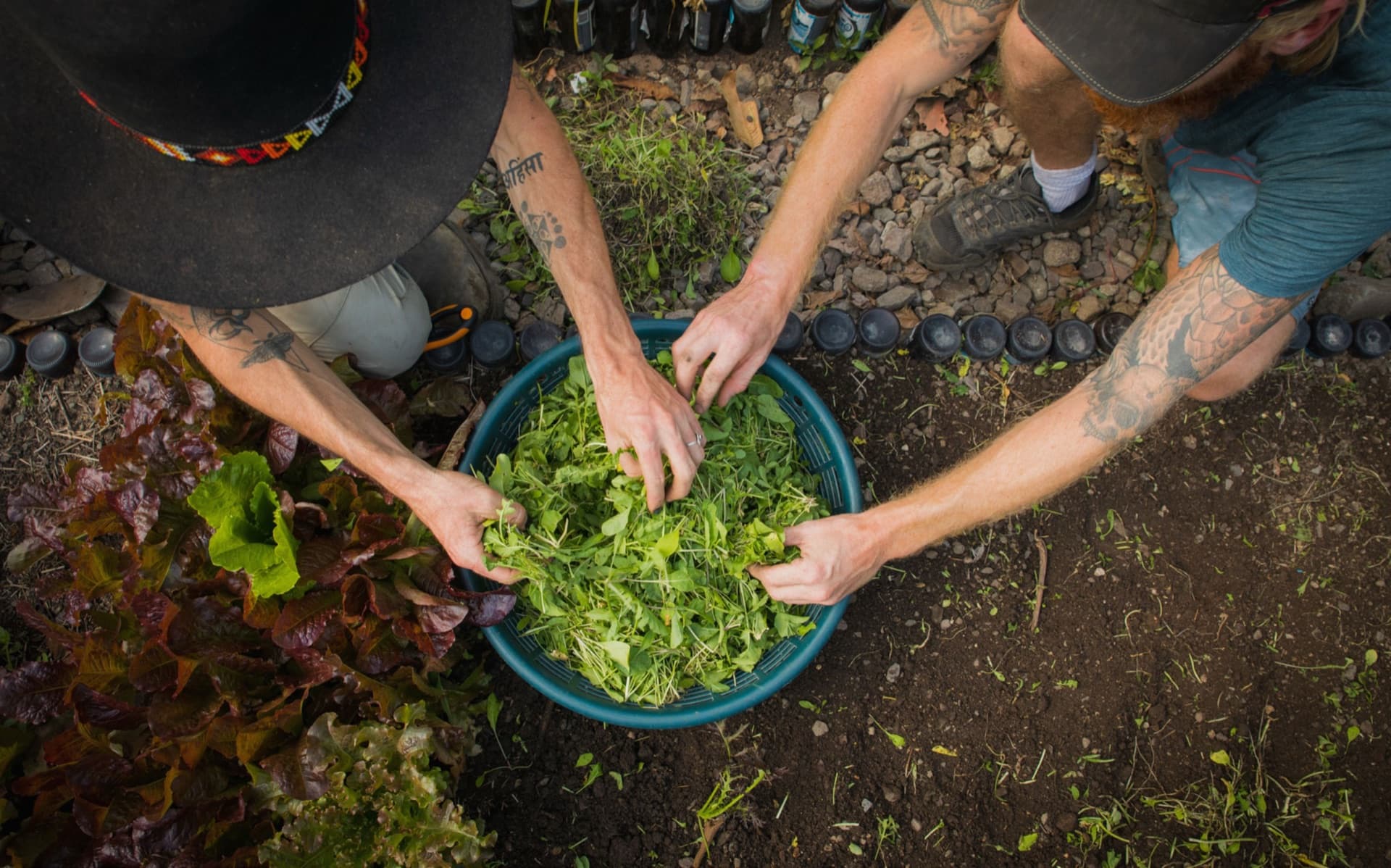
A multi-level bamboo and timber structure, built largely from materials grown on site, wrapped in a productive food forest, with intensive grow tunnels, integrated water systems, and animal systems all feeding a working farm-to-table restaurant. It didn’t come from a plan on paper — it came from years of building, failing, and rebuilding on this hillside.
When we teach you to design regenerative land, this is the standard we teach from. Not theory. This.
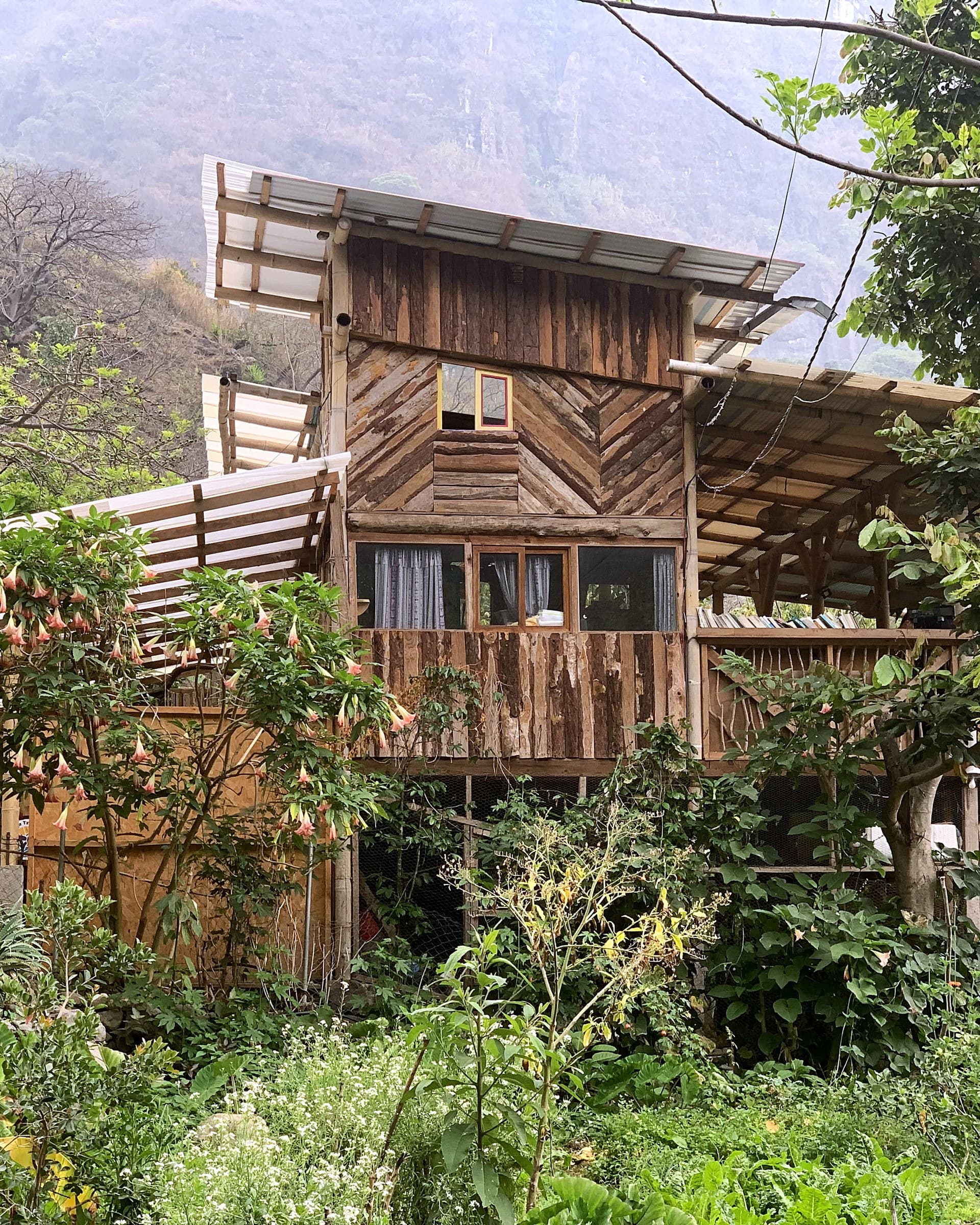
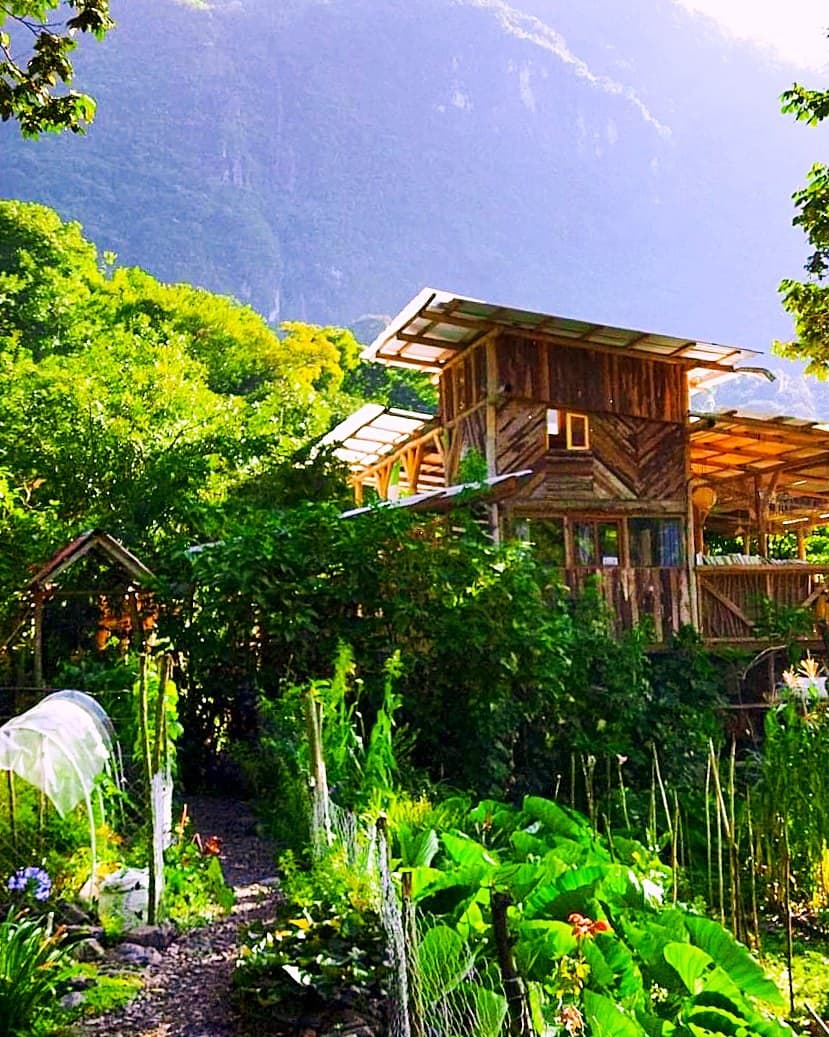
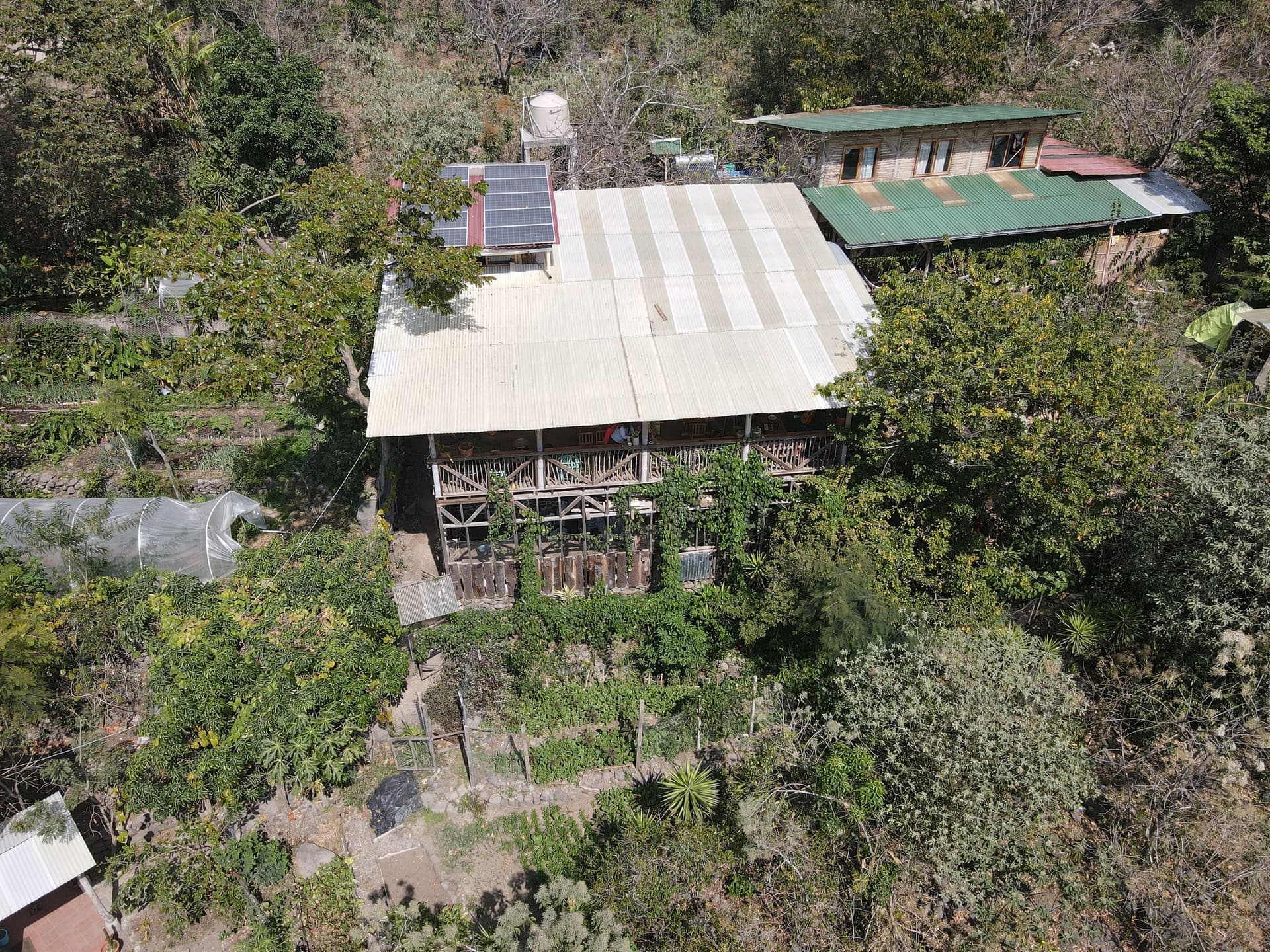
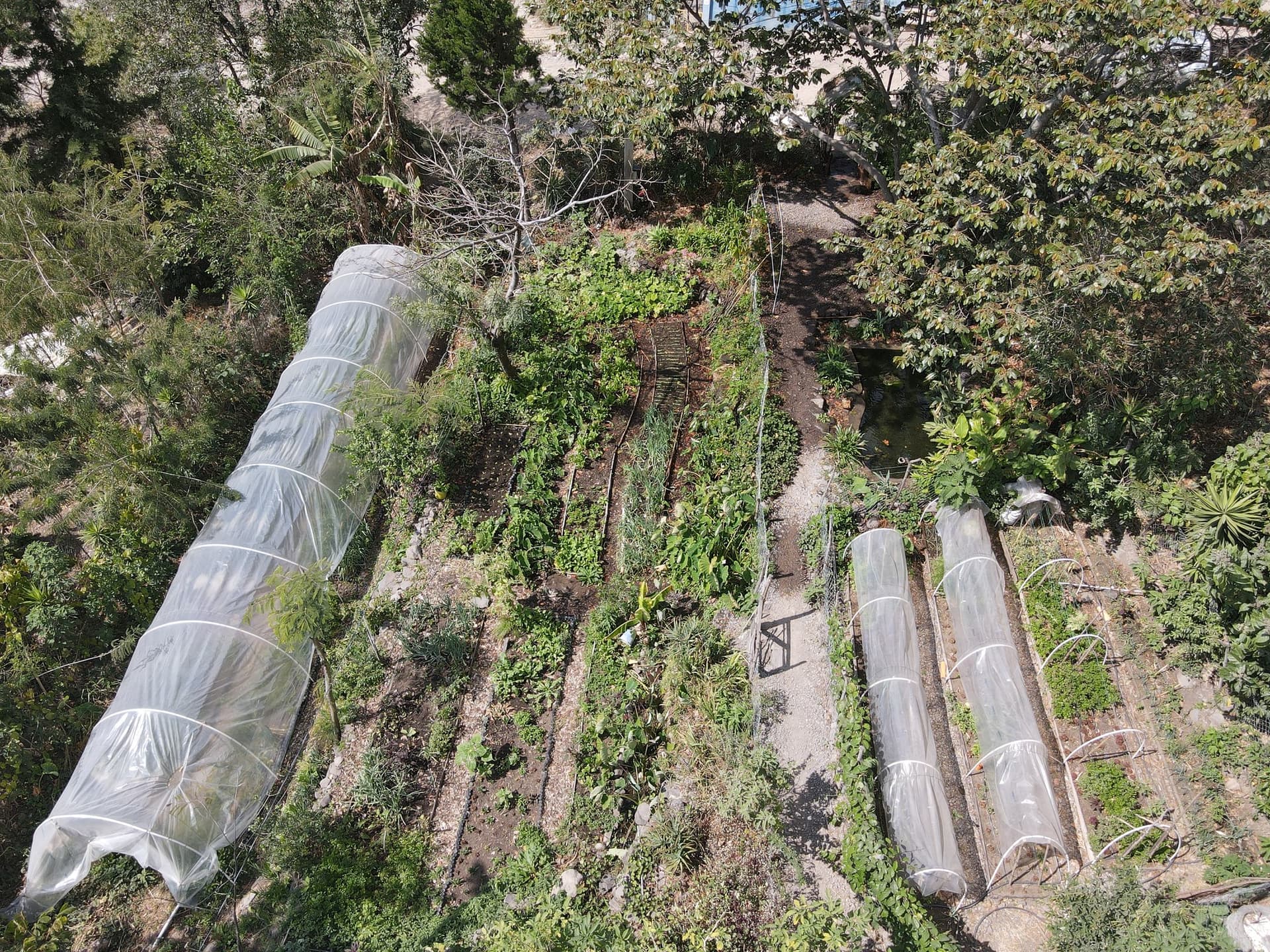
The main build
Beyond our own land
Fifteen years of designed and built work across Guatemala and internationally. Filter by the kind of work, or open a project to see the photos, plans and maps.
The range is the point
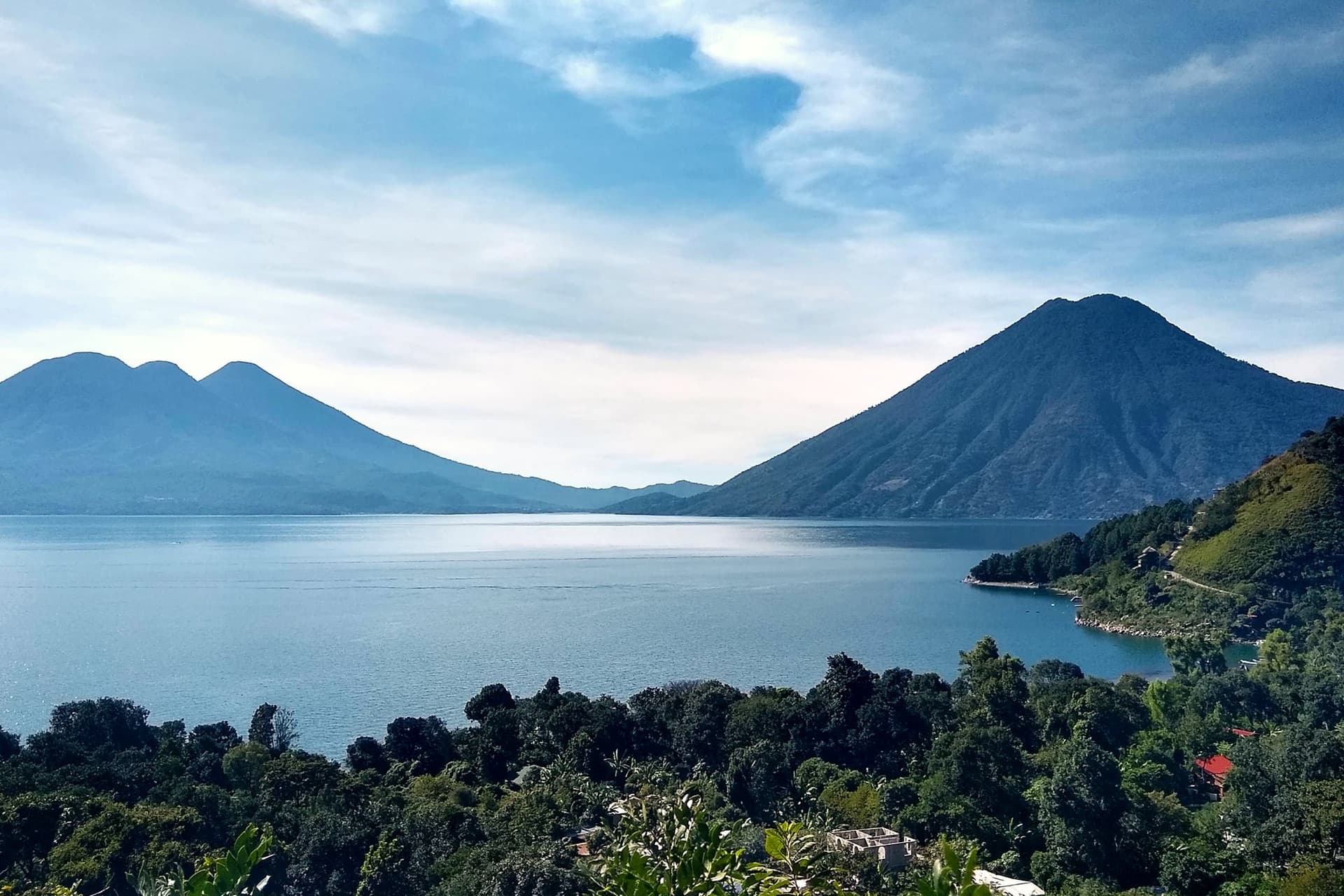
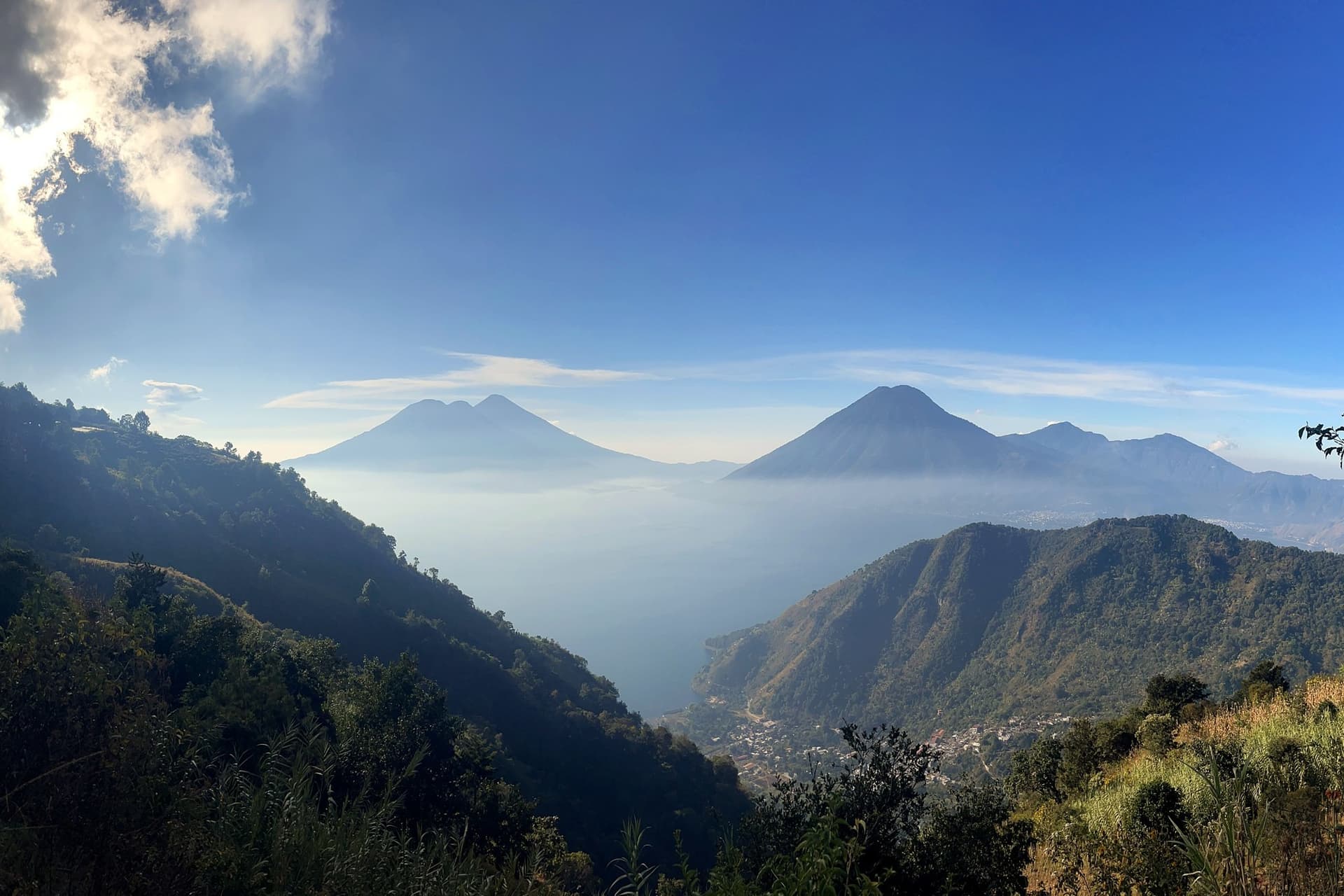
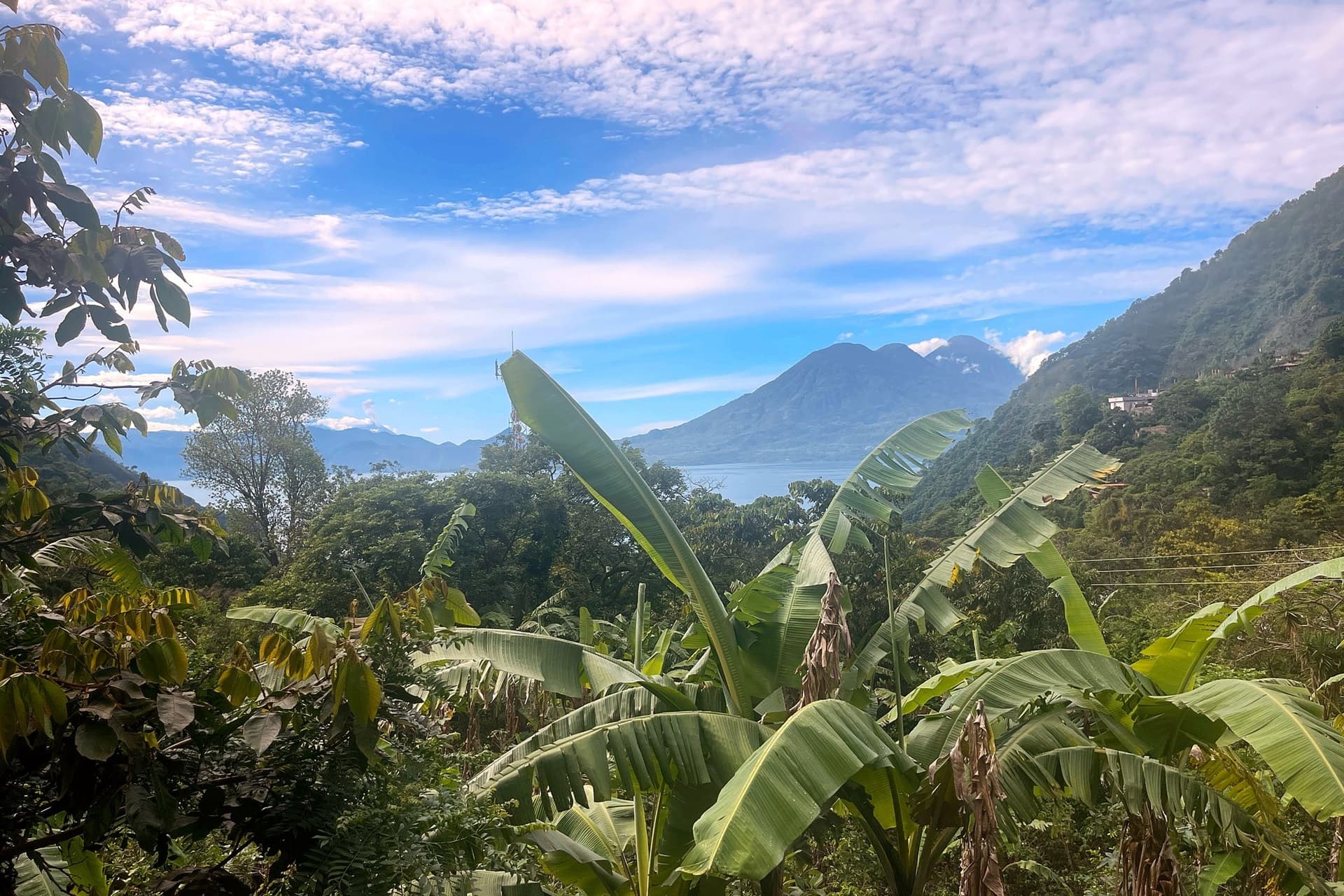
Across these projects and others, we’ve designed for wildly different conditions: steep volcanic slopes at Lake Atitlán, degraded coffee land in Alta Verapaz, Texas ranch land, lakeshore, dry and wet climates. And the work spans the whole arc — from a master plan that maps an entire property before anything is built, to the finished house, garden, or farm you can walk through. A good design method doesn’t change with the site; the species and the water strategy do, and reading those correctly for each new place is the craft. Fifteen years of doing it across Guatemala and beyond is what we bring to your land, or teach you to bring to your own.
Want work like this on your land?
Two ways forward. We can design it with you — tell us what you're building. Or you can learn to design it yourself, in our program. Either way, it starts with a conversation.