Picture the land that feeds your family, pays for itself, and has enough left over to share.
A free training on the one thing that separates land that gets better every year from land that eats money. Then, if you want help applying it to your own ground, an invitation.
This page is a training, not a pitch. Read it and you’ll know how to sequence your project properly, whether or not you ever work with us.
You’ve got the ideas. Probably too many.
The food forest. The ponds. The animals. The cabin you’d rent out. The market garden. You’ve read the books, watched the videos, filled a notebook, and it’s all in there swirling around.
I know what that feels like. I also know what it feels like to push past that swirl, start building anyway, and get it wrong. To put the road in the wrong place, plant the trees before the water, and spend years paying for a decision I made in an afternoon. That regret has a particular flavour, and I’d like to help you never taste it.
Because underneath all those ideas are the questions that actually keep you up:
What do I do first? What if I make a mistake I can’t take back? Do I have to become an expert in soil, water, trees, animals, construction, and business before I’m even allowed to start?
No. You don’t. That last fear is the one that freezes people for years, and it’s wrong.
You don’t need to master everything. You need to do things in the right order, and a way of working that takes you from the big picture down to the details without skipping a step. That’s a skill. It’s learnable. This page is where you start.
Here’s the part almost every course skips, and it’s the part everything else depends on.
Before you design the land, you come into right relationship with two things. Yourself — what you actually want, what you actually need, what kind of life you’re really trying to build here. And the land — what it wants, what it needs, what it’s already trying to become if you’d stop and ask.
Most people skip straight to features. Ponds and beds and fences. Then they wonder why the finished thing doesn’t fit their life or their landscape.
You don’t impose a design on land. You ask the right questions and you find the one that was already waiting there — in the overlap between what you need and what the land needs.
The design isn’t yours and it isn’t the land’s. It lives in the overlap. Your whole job is to find it — and everything we teach is how.
That sounds soft. It’s the most practical thing in this entire training, and I’ll show you exactly how it works.
The scale of permanence
Once you know what you want and what the land wants, the order almost writes itself. Here’s why order matters more than any single decision.
Everything on a piece of land has a permanence. Some things you’ll never change. Some you could change, but it’d cost more than the land is worth. Some you can change on a Saturday afternoon. A designer’s first job is knowing which is which.
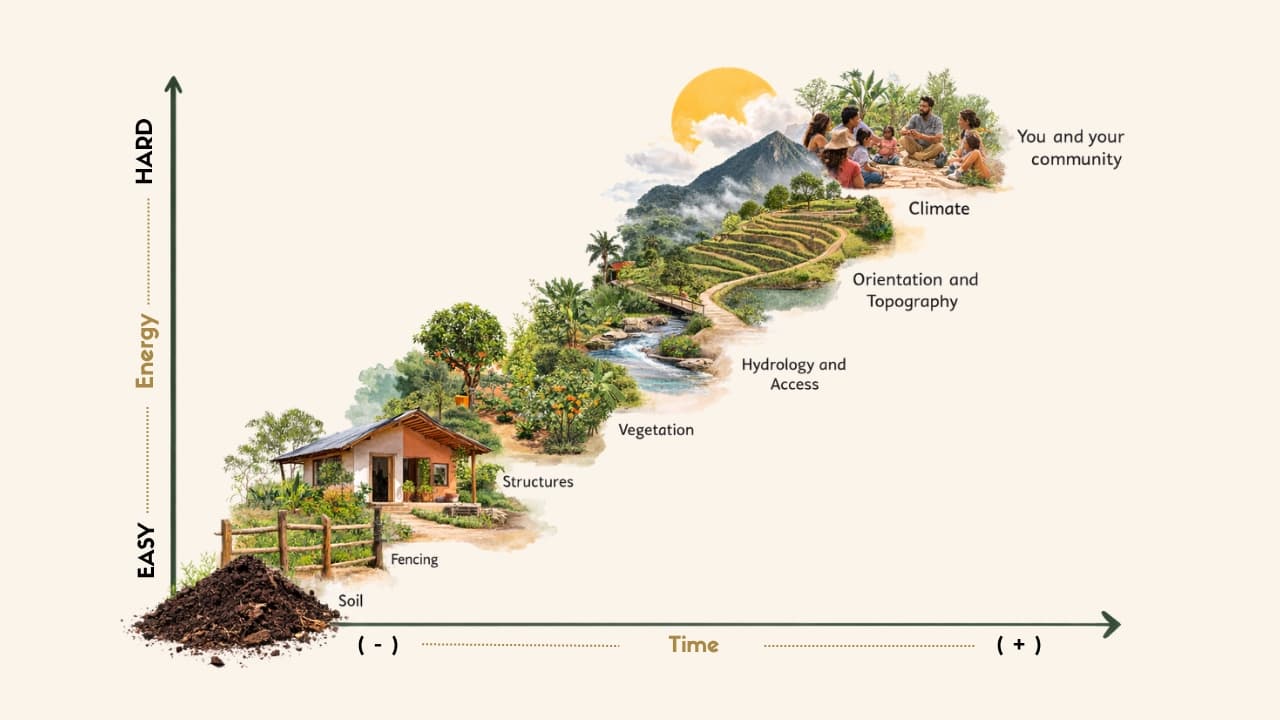
- Climate — You don’t change it. You read it and obey it.
- Landform — The shape of the ground. Changeable with machines and money. Almost never worth it.
- Water — Where it arrives, where it leaves, where it could be held instead. This decision governs everything below it.
- Access — Roads and paths. Once a road exists it’s permanent, and one in the wrong place bleeds soil every year for the rest of its life.
- Trees — Slow. A mistake here costs you years, not money.
- Structures — Expensive to build, more expensive to move, so nobody moves them.
- Boundaries & fencing — Cheap by comparison. Changeable.
- Soil — The most changeable thing on the property. Also where nearly everyone starts.
Now read that list backwards. That’s the order most people actually build in. Garden first. House second. Road third. Water only once it’s a problem.
The cost of a wrong decision is proportional to how high up that list it sits. Get the soil wrong, lose a season. Get the water wrong, and you pay for twenty years in dead trees, washed-out roads, and a well you never needed to drill.
Design is cheap. It’s the undoing that costs you.
You don’t need to be an expert in all eight of those the day you start. You need to understand the fundamentals of each well enough to make good early calls, in the right order. That’s the whole game — and there’s a process that takes you through it, step by step, so you never have to hold the whole thing in your head at once.
Six steps from vision to your actual land
This is the exact process we use on paid client projects, and the one we teach you to use on your own. Each step feeds the next. You go from the biggest, softest question all the way down to a spade in the ground — and you never skip a level.
Before the land, you
What life are you actually building here? This is the step people are most tempted to rush past because it feels less “real” than digging. It’s the opposite. Get the vision wrong and you’ll build a beautiful farm that fits no one. A few of the questions we walk you through:
- What does a good day here look like, hour by hour?
- How much income do you need this land to produce, and by when?
- How many hours a week can you give it, in your real life, not your fantasy one?
- What do you want to stop doing?
- Who is this for — family, community, guests, nobody?
- In ten years, if this land made your life worse, what went wrong?
- What are you honestly willing to maintain? Every element you add is a promise to maintain it.
Now you read the land
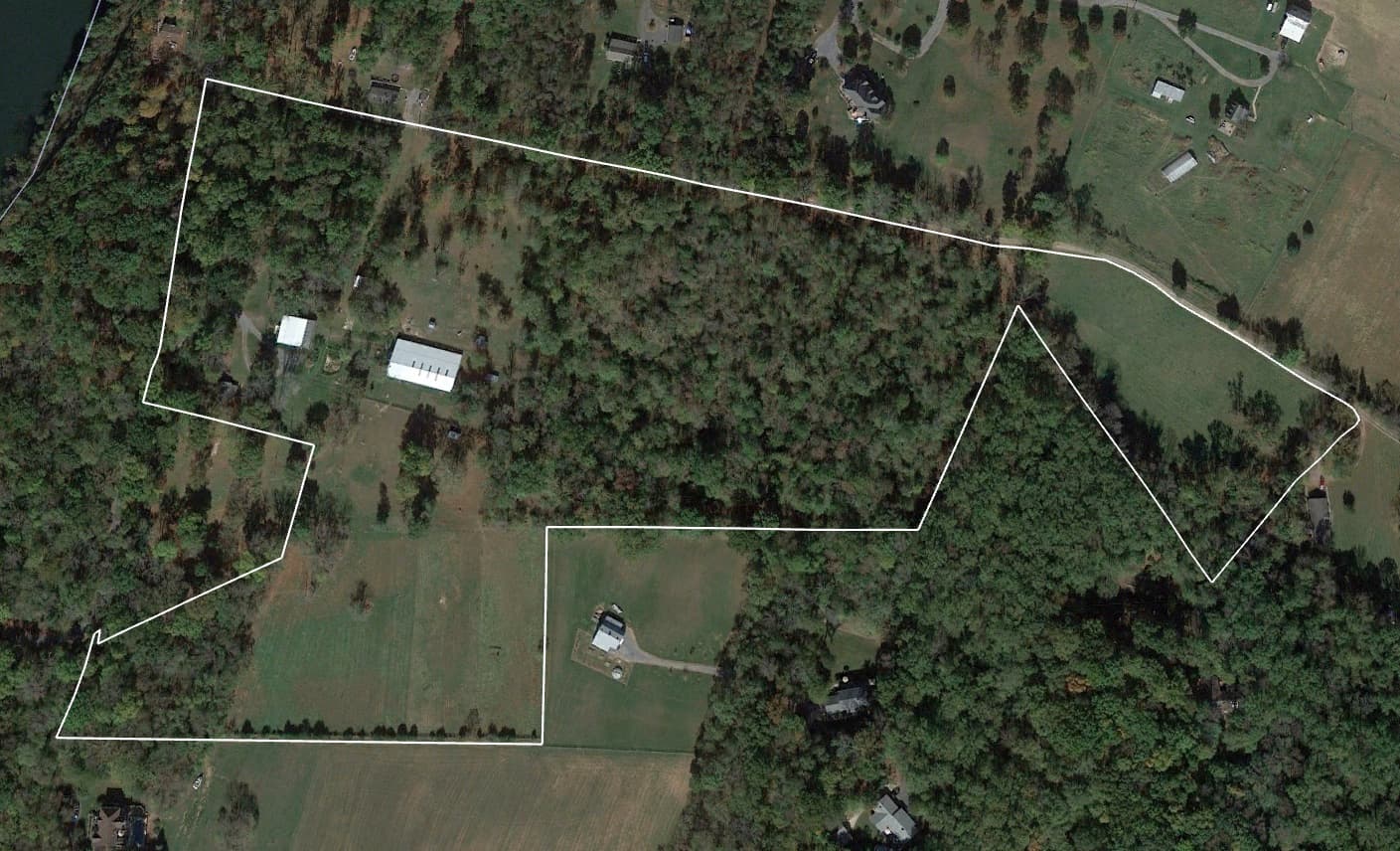
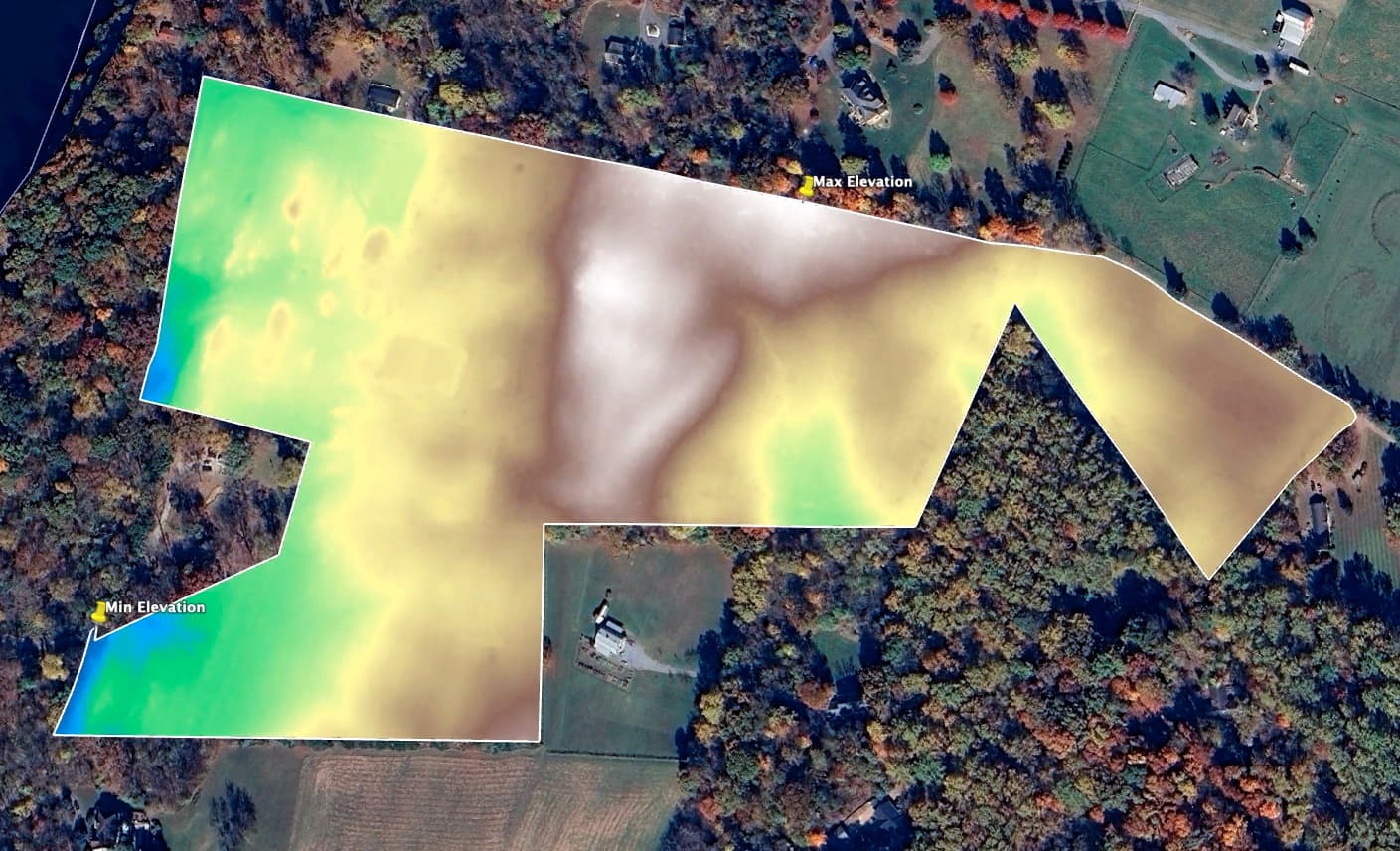
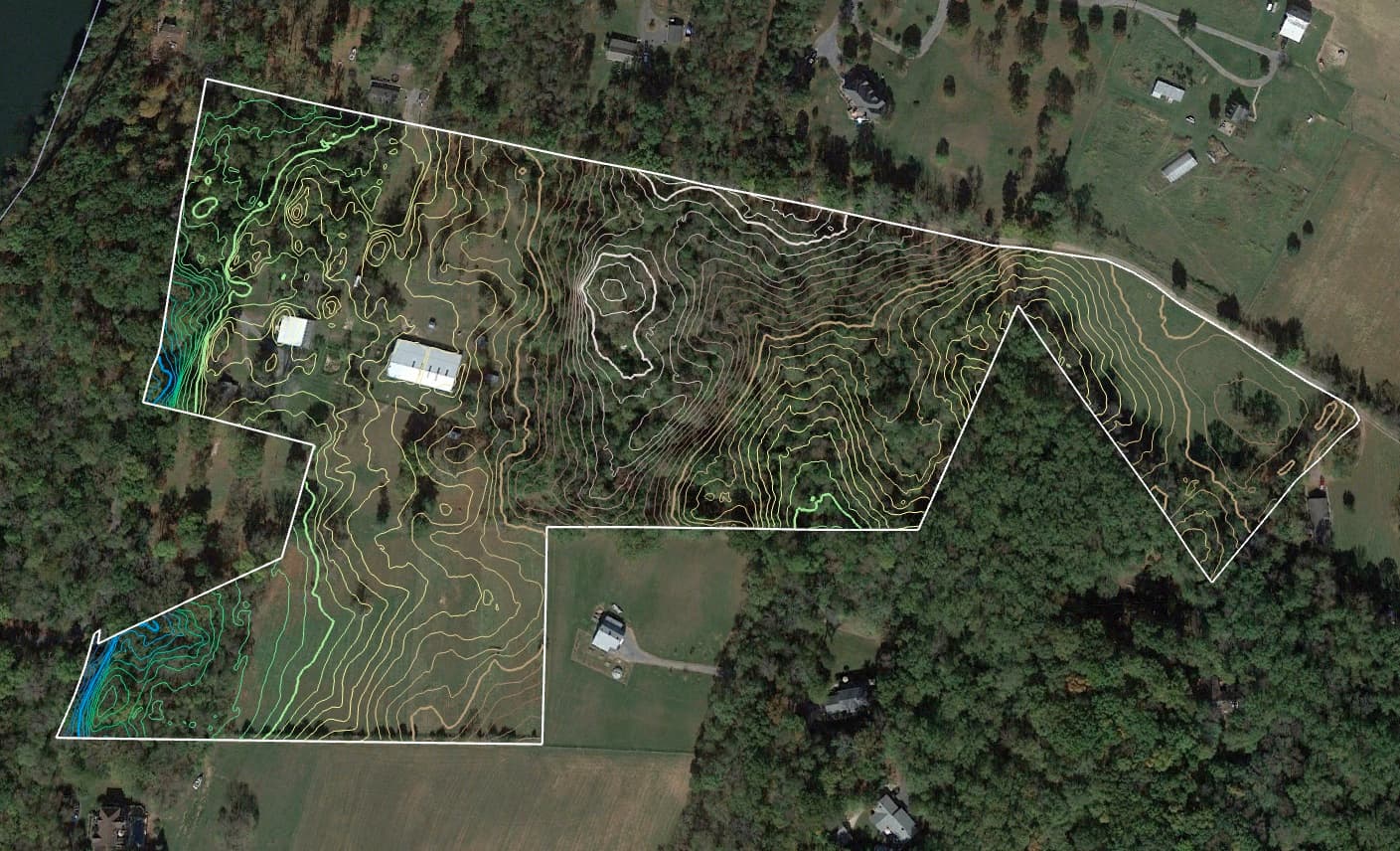
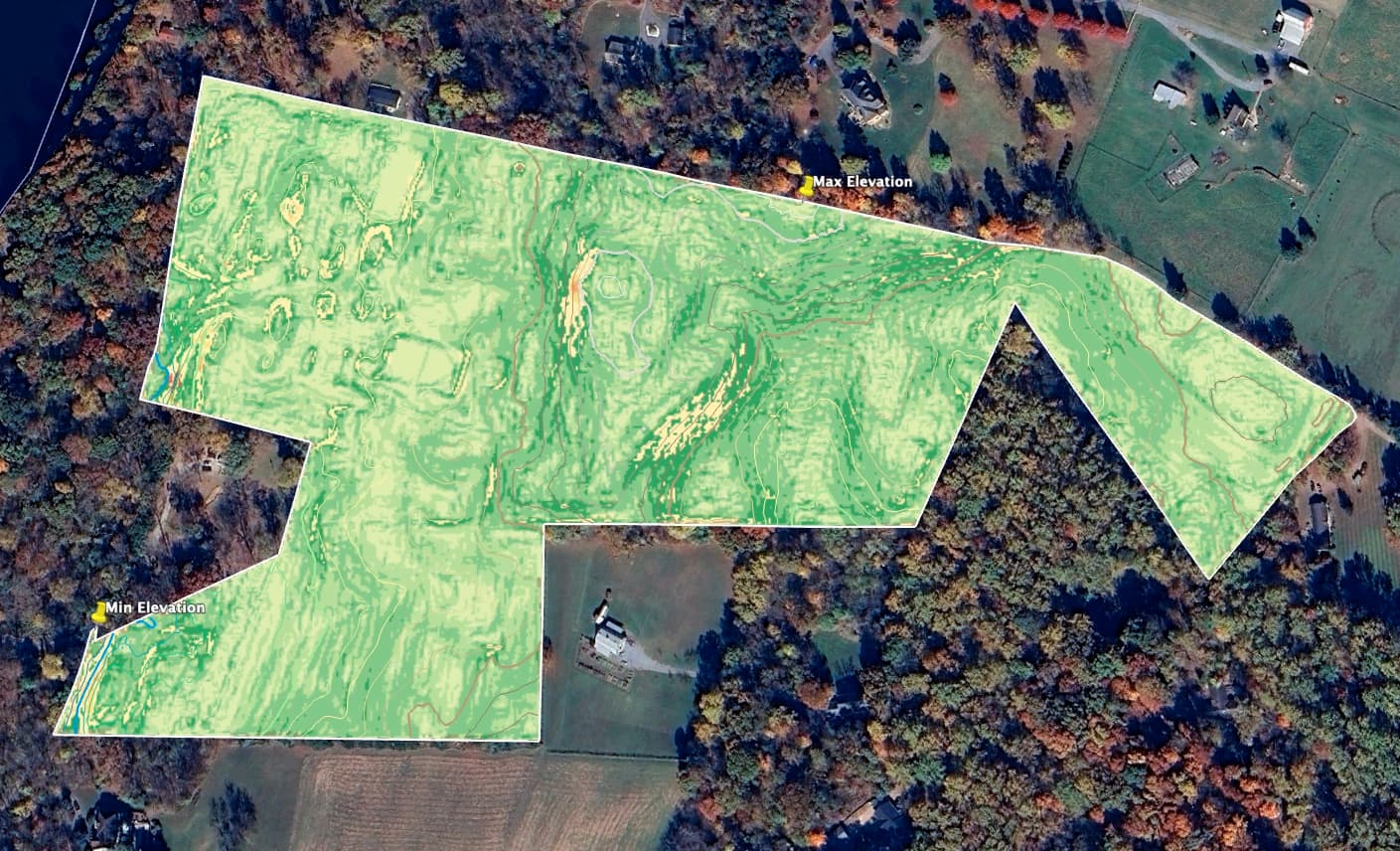
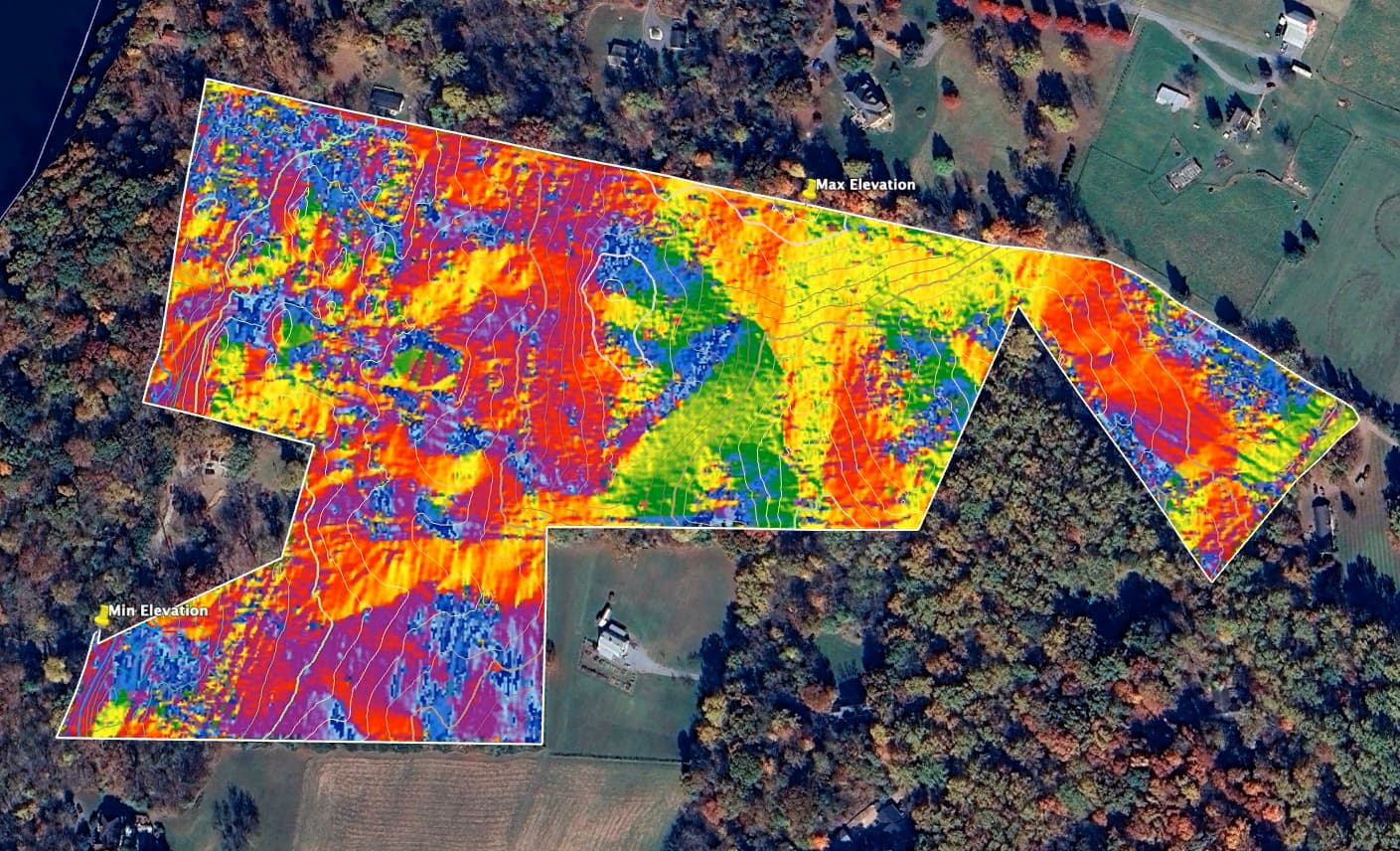
Water, slope, sun, wind, soil, what’s already thriving, what’s struggling. You’re not designing yet. You’re listening. This is where you find out what the land wants — the step almost everyone guesses at, which is exactly why their designs end up fighting the site instead of flowing with it.
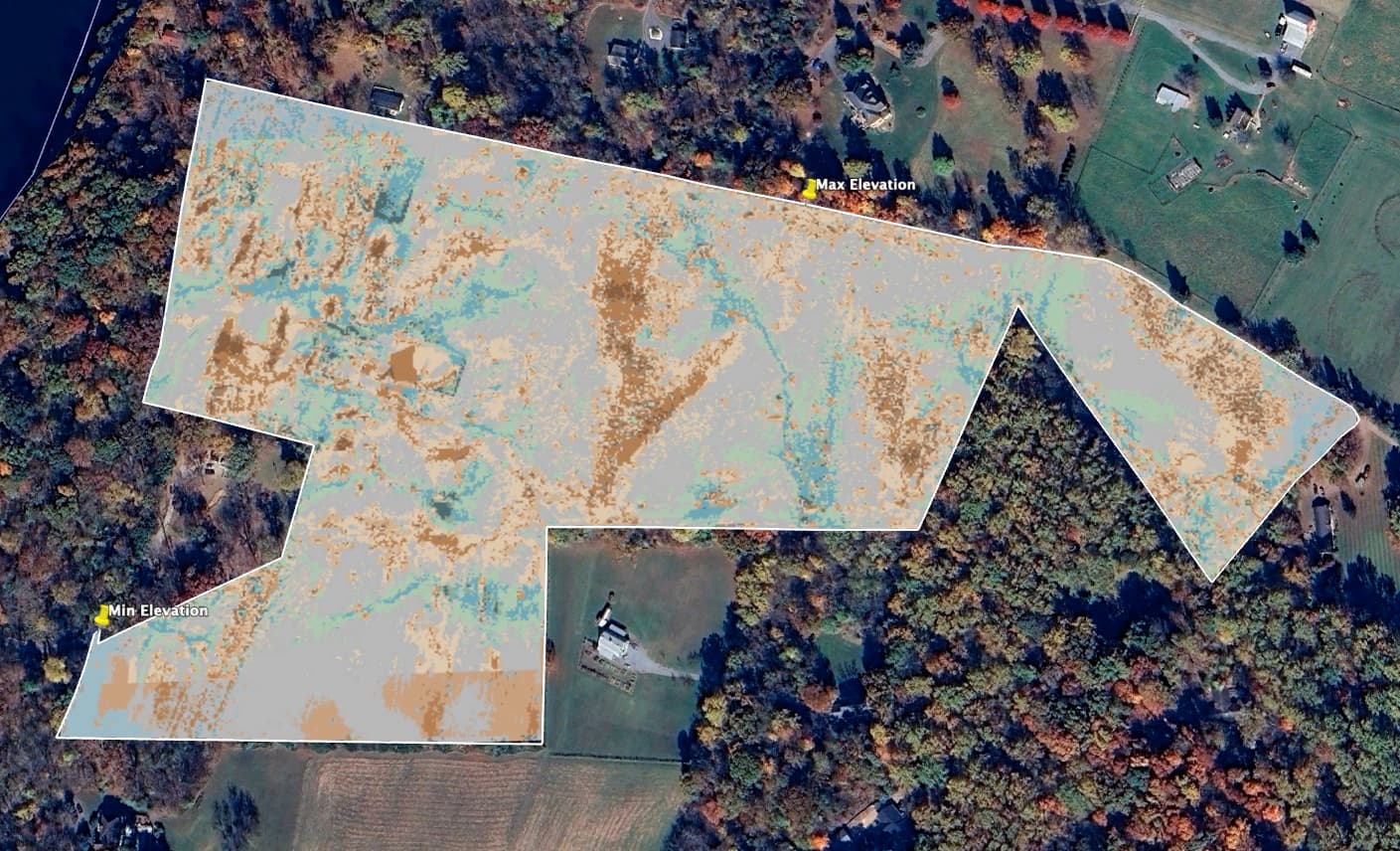
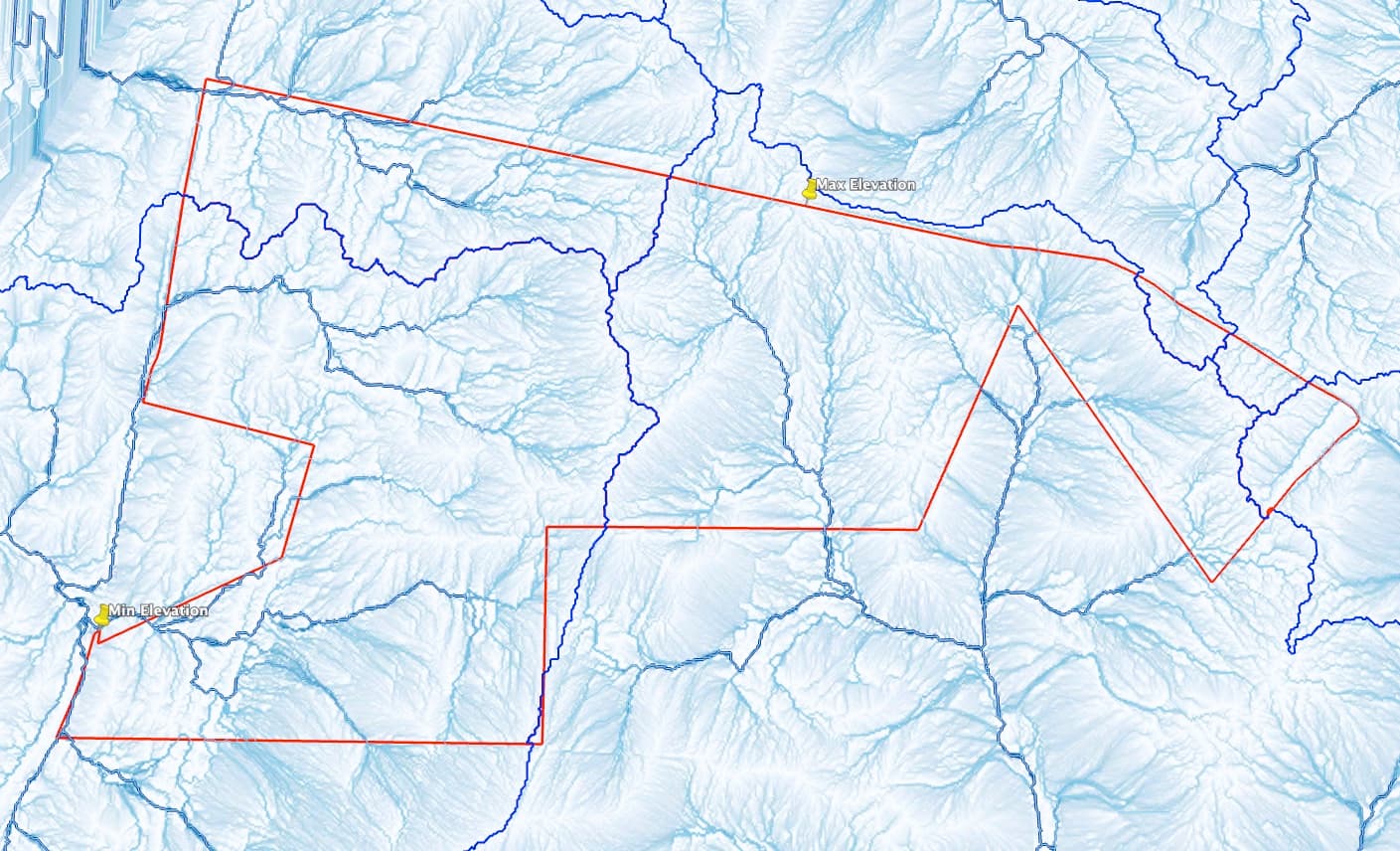
Aerial base
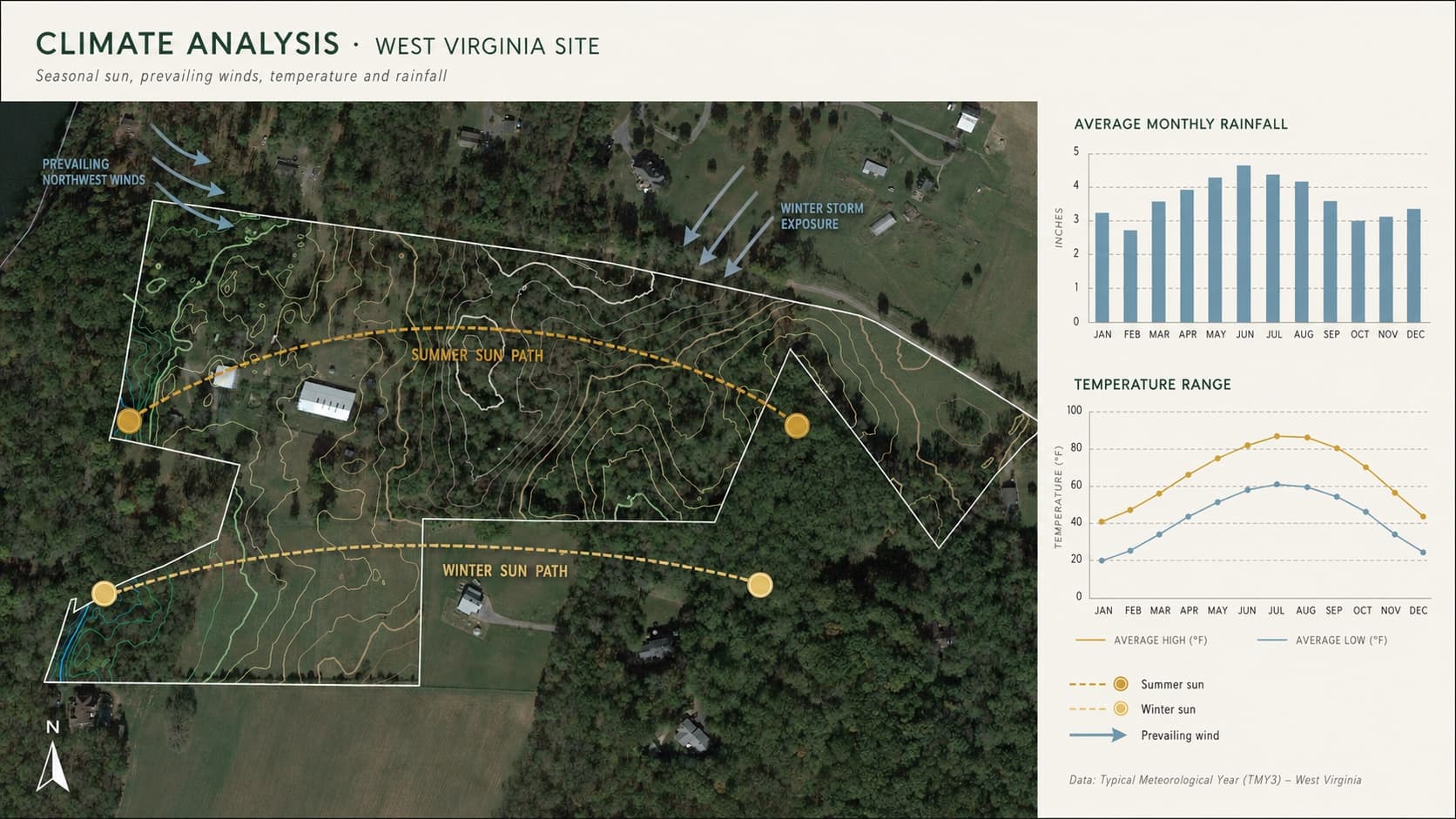
The forces from outside
The forces that come from outside your boundaries and move across the land. Where the sun tracks in summer and winter. Which way the hard rain drives. Where fire could come from, where the noise is, where the best views open. You can’t stop these forces. You design to catch the good ones and deflect the rest.
Organise by how often you visit
The things you touch every day sit closest to where you live. The things you visit once a season sit furthest out. Get this right and the farm runs itself with a fraction of the effort. Get it wrong and you’ll spend the rest of your life walking to a herb bed you planted too far from the kitchen.
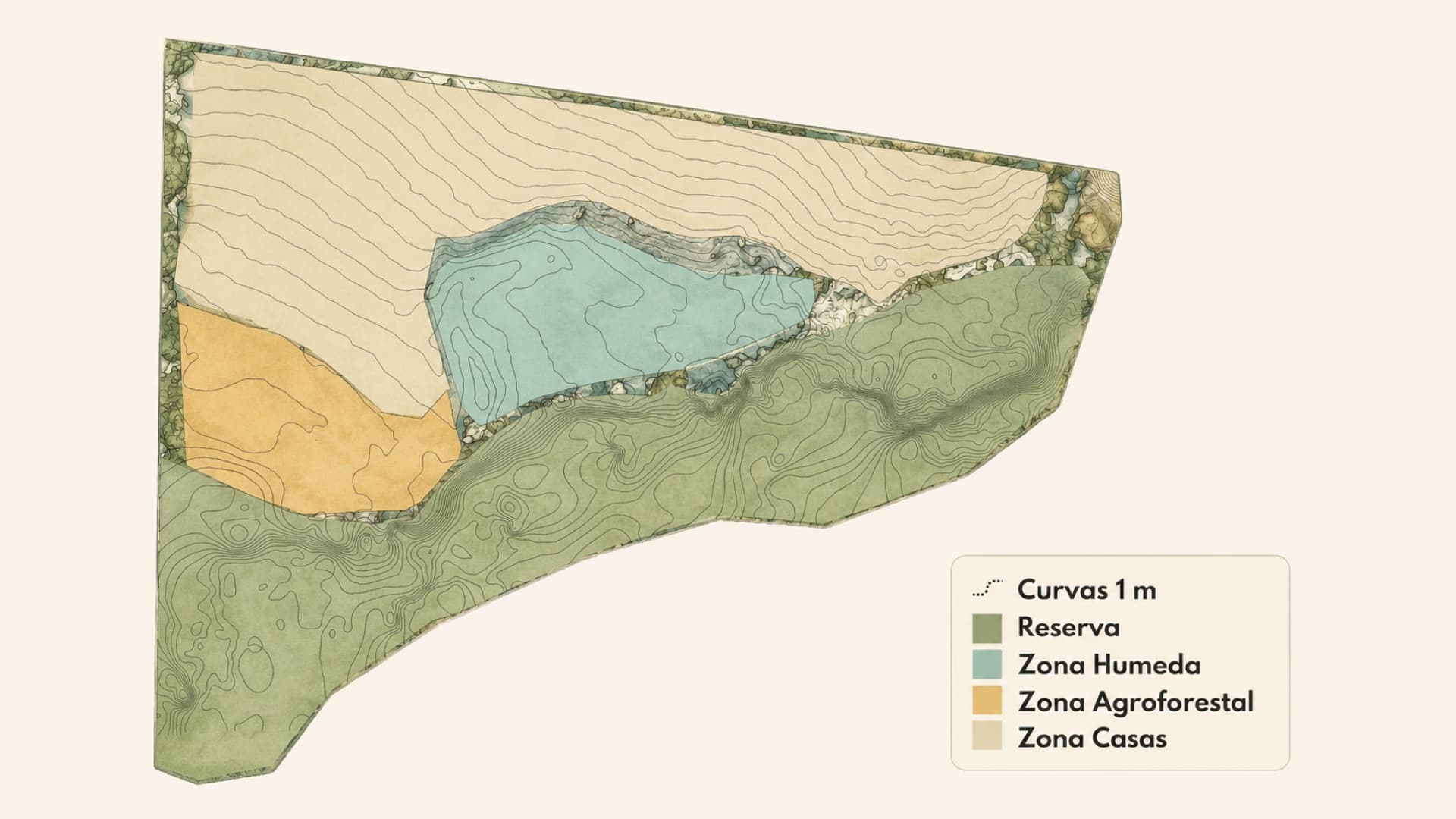
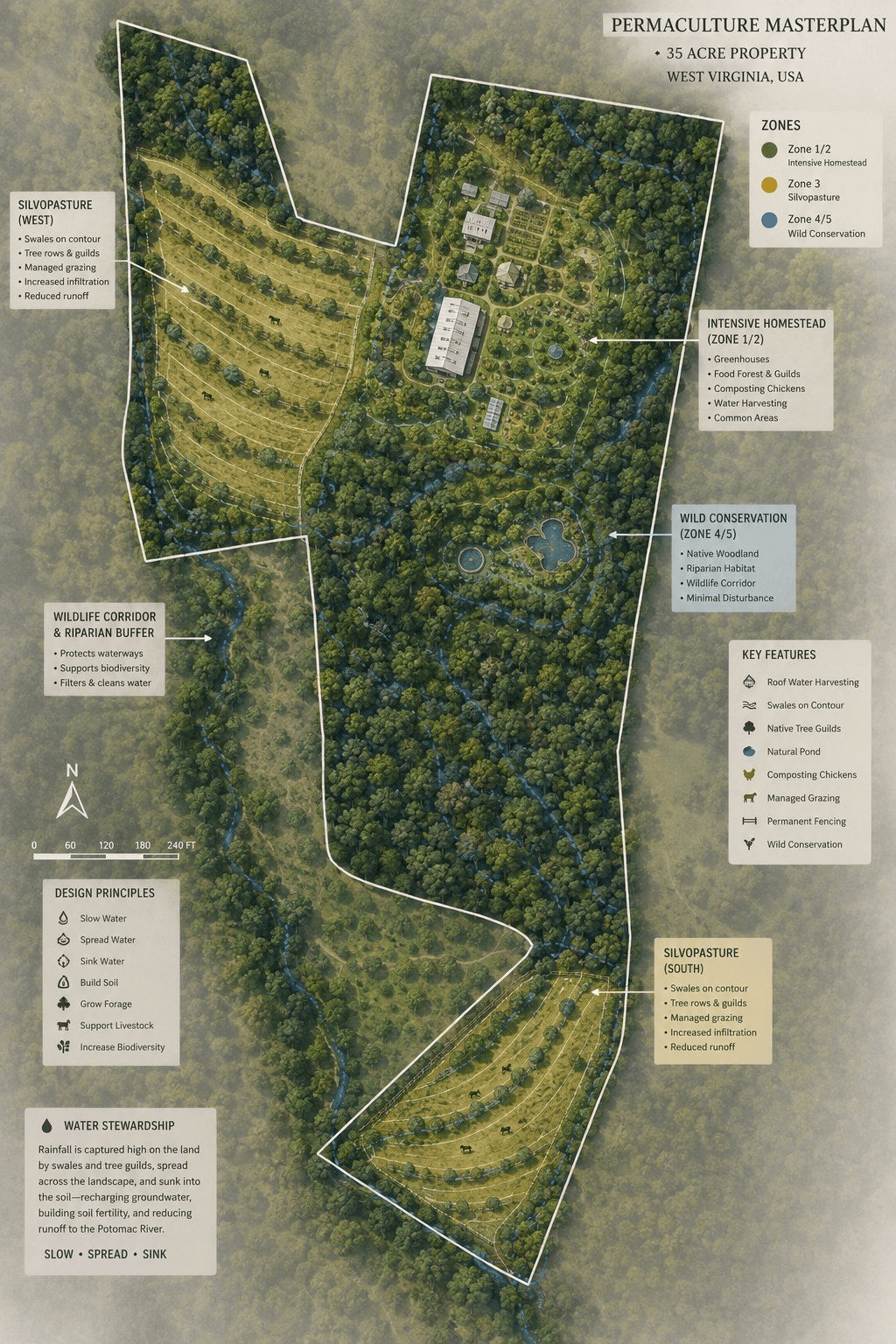
The big shapes lock in
Only now, with vision, analysis, sectors and zones all in hand, do the big shapes lock in. Where the water is held, where the roads run, where the house sits, where the main systems go. This is the pattern you’ll build from for the next decade — and by the time you reach it, it almost draws itself, because every decision above it has already been made in the right order.
Last, the details
This bed, this guild of trees, this pond, this animal system. Each patch designed inside a masterplan that already works. This is the fun part — and the part most people start with, which is why it usually gets ripped out in year three. Done in its proper place, dead last, it’s where your land finally gets specific, and yours.
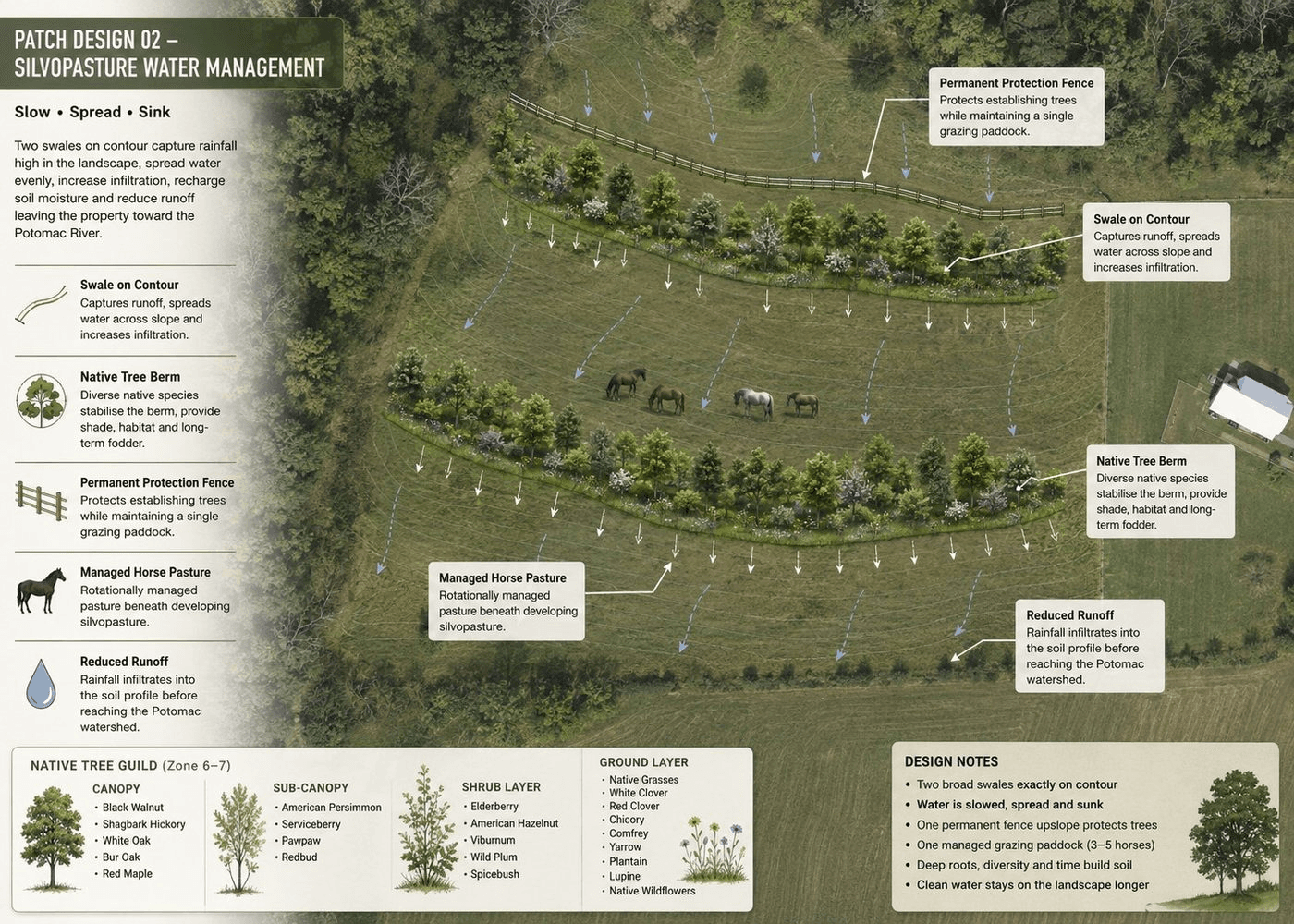
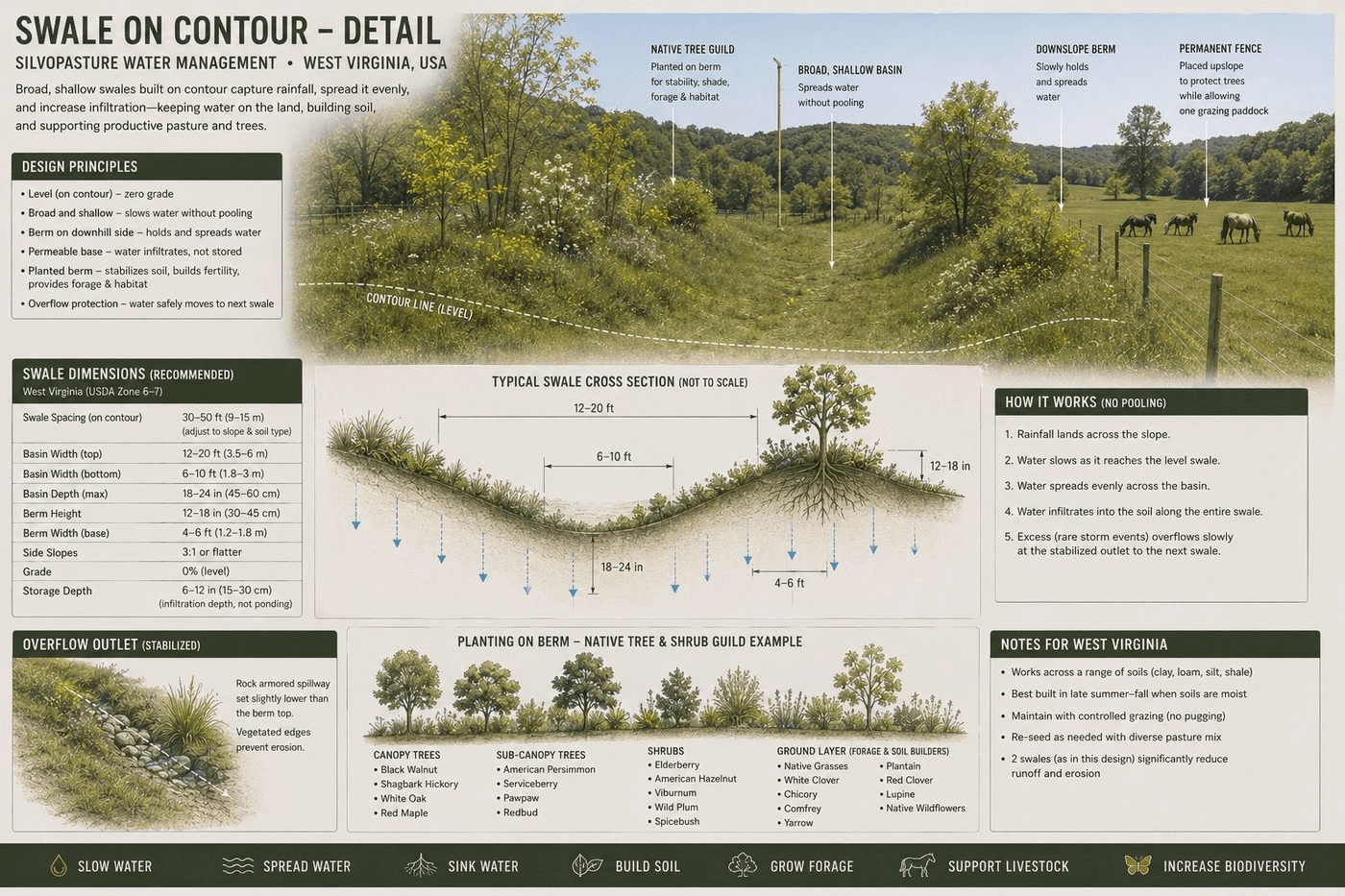
Vision, analyse, sectors, zones, masterplan, patch designs. This is the thing that dissolves the overwhelm — not knowing everything, but knowing the order, and having a process that carries you down it.
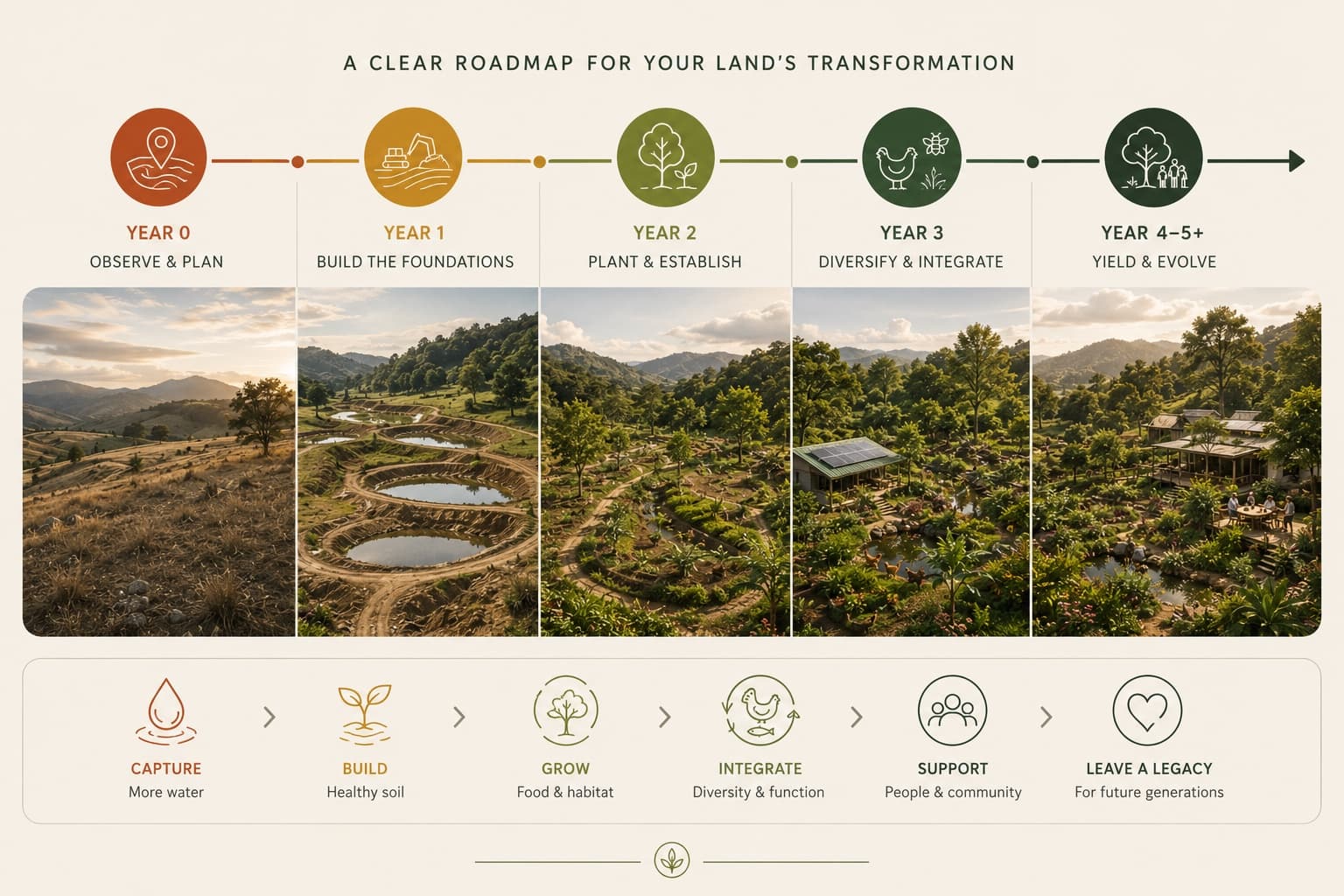
So why would you need anyone?
You now know the shape of it. That’s genuinely most of the thinking, and I mean that. Three things remain — and they’re the three nobody solves alone.
You can’t see your own water.
Reading a landscape’s hydrology takes contour data, elevation modelling, and an eye trained to know what a subtle break in slope means. It’s the step people guess at, and it governs everything downstream. Literally.
You can’t check your own reasoning.
Every landowner I’ve worked with, me included, falls for a decision early and then bends the whole plan to justify it. You need someone with no attachment to your favourite idea.
You don’t know what you don’t know.
The failure mode isn’t a bad decision. It’s the option you never considered because nobody told you it existed.
That’s what the program is. Not information — information is free now and some of it’s good. It’s the mapping, the review, and a room full of people looking hard at your ground.
I made just about every mistake there is to make on land
I came up through NGO work — food sovereignty, community projects, coffee and cacao and cattle across Guatemala. Then I went independent. Designer and project manager, on everything from sugarcane-land restoration to eco-community masterplans.
Eventually I came to Tzununá with a specific idea: a working permaculture hub. Profitable and sustainable, teaching real education, with community food co-ops — the kind of place where a sovereign, harmonious community could actually grow.
I failed more times than you’d believe. I nearly died. I made, or watched up close, just about every mistake there is to make on land and in the business of land.
What it all came down to, in the end, was relationship. Once I learned to ask the land the right questions instead of imposing my ideas on it, the designs stopped being something I forced and started being something I discovered.
That’s what I teach now. Not a pile of techniques. A way of seeing, an order of operations, and the concrete skills that actually apply. With those, the rest is a simple flow from pattern to detail.
Make sure your landscape is set up to receive water. And make sure you’re set up to receive money.
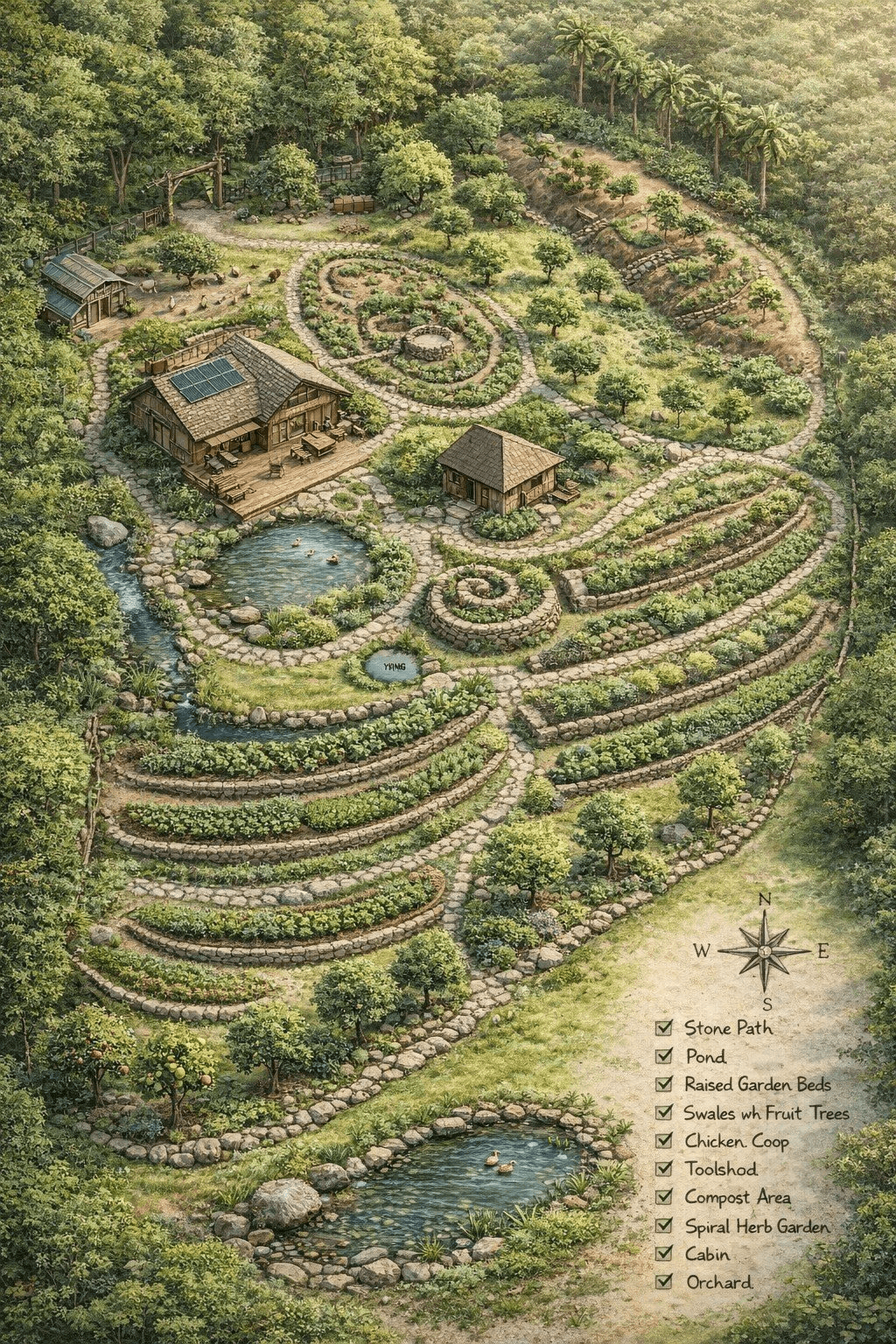
Everything you need to design your land
Learn the craft
- A full Permaculture Design Certificate, self-paced.
- Our complete professional design workflow — the same one we use on paid client projects.
- Masterplanning frameworks. Yours for life, every future update included.
See your land properly
- GIS-level mapping and site analysis of your actual property.
- AI-assisted design methodology — the part that didn’t exist three years ago and that nobody else is teaching.
Get your thinking checked
- Weekly group coaching for four months.
- One-to-one design mentorship sessions.
- A full review of your masterplan by our team.
- Support through implementation planning, not just design.
Stay in the room
- Four months in the CreaSol community, alongside landowners on six continents and designers training to do this professionally.
- Most people stay past the four months. That part’s optional.
Recommended level: Landowner. The tier built for someone with ground of their own — it adds the mapping, the one-to-one sessions, and the masterplan review to the core program.
The other people in the room are not an accident
Half are landowners like you. The other half are training to do this professionally, and they need real properties to work on — because you cannot become a designer by designing imaginary sites, which is exactly how most permaculture training works.
So they get real ground. You get more eyes on your land than any consultant would ever give you.
Every member who joins makes the room more valuable for everyone else. That’s not a slogan. It’s why the program is built this way.
Don’t apply if…
You want someone to hand you a finished plan.
That’s our consulting service — it costs more and it’s a perfectly good option.
You want a certificate for your wall.
You’ll get one, but if that’s the goal there are courses at a tenth of the price. Take one.
You can’t give this four months of real attention.
The mapping and the site assessment are work. People who skip them get nothing.
You want guaranteed income in year one.
Nobody can honestly promise that, and I won’t.
Want a finished plan handed to you instead? Book a call about our consulting service.
If I came to your land, designed the whole thing with you, and stayed a year to show you how to get it off the ground and actually generating money — that’s what I do professionally. It would take me a year of my life and it would cost you a hundred thousand US dollars.
Pay a tiny fraction of that, and I’ll give you something better than a design. You’ll do it yourself. And you’ll know how to do it for the rest of your life.
That’s the difference between hiring a designer once and becoming one.
One is an expense. The other is money — made or saved — on every piece of land you ever touch, for as long as you live. The land that feeds your family and pays for itself doesn’t come from a plan I hand you. It comes from you knowing how to build it.
Everyone gets the same core program: the full PDC, our six-step professional workflow, the AI-assisted mapping, the business trainings, weekly group coaching, and the community. What changes between levels is how much of our team works on your land with you.
Designer
$3,000 paid in full
You do your own design and mapping, with the full workflow training and weekly group coaching. For the hands-on person who wants to learn every part by doing it.
Landowner
$5,400 paid in full
Everything in Designer, plus our team on your actual land: professional GIS-level mapping and site analysis of your property, five one-to-one mentorship sessions, a personalised review of your masterplan, and priority support through implementation planning. Built for someone with ground of their own who wants it done right the first time.
Project
For an ambitious build — a flagship farm, a retreat centre, a community hub. We come to your land, design it with you and your team on site, return through the project, make content about it, and plan and produce your launch event with you. We build the scope, and the price, with you.
Payment plans and partial scholarships are available at every level. If the money’s the only obstacle, say so on the call.
Real people. Real land. Real projects.
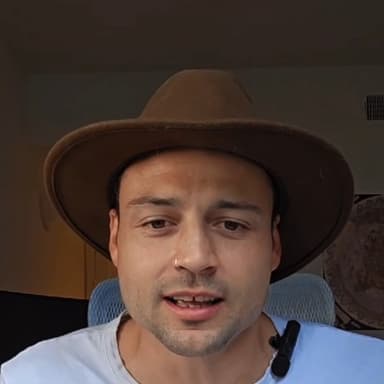
“Since I started working with CreaSol my life has totally changed. I’m now a certified designer, I’ve done designs for numerous properties, and I’ve started a non-profit and designed and secured funding for my own eco-community in Guatemala.”
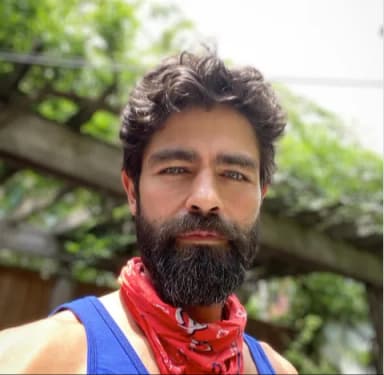
“Five years ago I took Neal’s online PDC. That experience inspired much of what became Kintsugi Ranch. Years later we brought him to Austin to help implement syntropic agroforestry systems. His work bridges ecology, education, and practical implementation.”
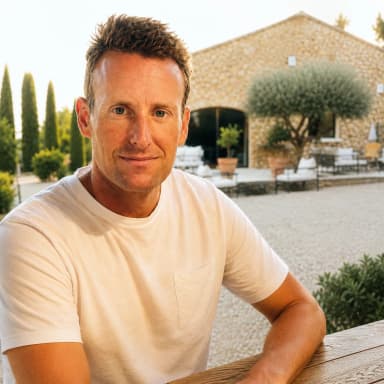
“Before working with Neal, we spent years spinning our wheels without a clear direction. Neal helped us define our vision, create a practical roadmap, and move from ideas into implementation. His experience and guidance accelerated our progress dramatically. We would not be where we are today without him.”
Gabriel is the arc this page promises: no background, went through the program, now owns and has funded his own designed farm.
What you’re probably thinking
“My climate is nothing like Guatemala.”
Good. We’ve designed in Ireland, Texas, West Virginia, India, South Africa and Jamaica. The sequence doesn’t change with latitude. The species and the water strategy do, and that’s what the mapping is for.
“I’m not technical.”
Neither was Gabriel. The mapping is done with you, not by you.
“I already did a PDC.”
Then you know the theory and you’ve probably never applied it to a real property with a budget and a deadline. That gap is what this is.
“Four months isn’t long enough.”
For a masterplan, it is. For implementation, no — which is why the content is yours for life and most people stay in the community.
Apply to design your land
This isn’t a checkout. Tell us about your property and what you’re trying to build, we’ll get on a call, and we’ll tell you honestly whether this is the right fit. Sometimes it isn’t, and we’ll say so.
Programs start at $3,000, with three levels of support depending on how much of our team works on your land with you (the levels are above). Partial scholarships and payment plans are available. If you’re serious, we’ll find a way to make it work.
And if it’s genuinely out of reach right now — join our community instead. We share a huge amount for free and host open events regularly.
Not satisfied at the end of four months? Full refund.
Do the work, and if it wasn’t what you expected, you get your money back.
Start your application
Tell us about you and your property. We’ll be in touch to book your call.
Design your land with us
Tell us about your ground so we come to the call already understanding it.
The land that feeds your family and pays for itself comes from you knowing how to build it.
Neal · CreaSol Permaculture · Lake Atitlán, Guatemala