
The Changing Face of Agriculture: Why We Need to Rethink Our Approach
Sep 24, 2024
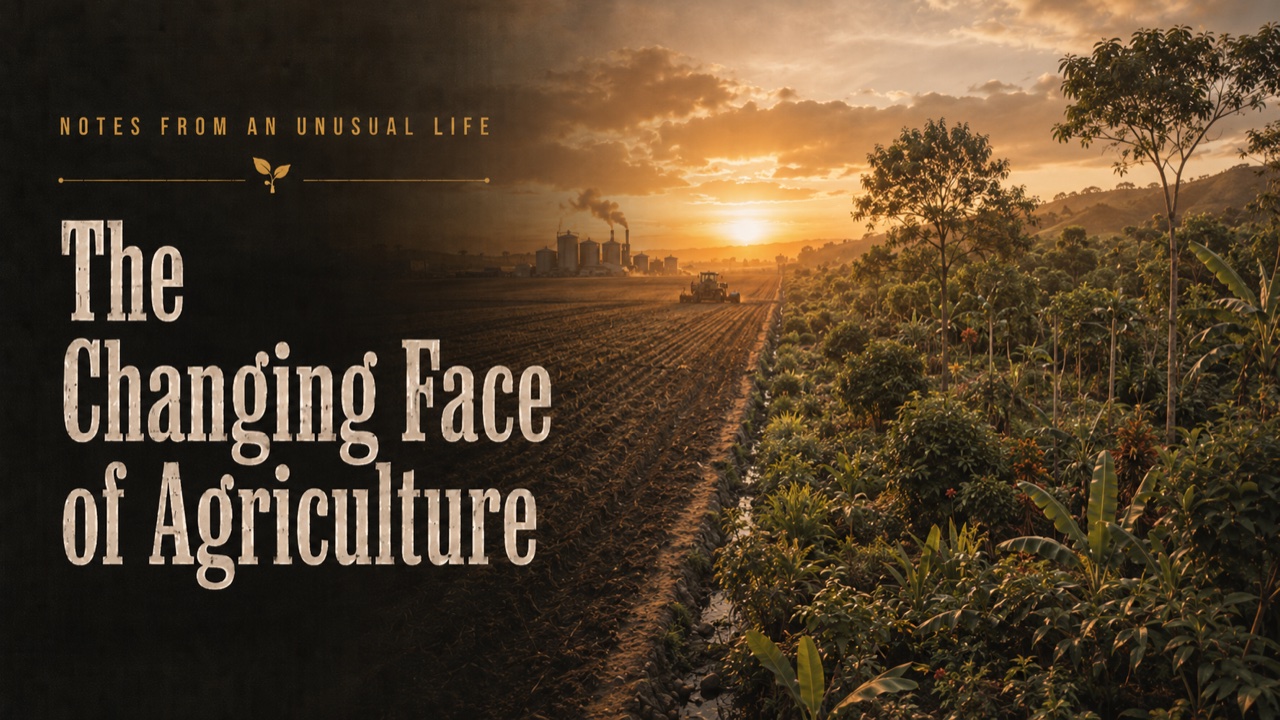
As an agricultural and permaculture consultant, I’ve had the privilege of traveling across the country, working with farmers who are eager to make their operations more sustainable. Whether it’s a cacao plantation nestled in lush rainforests, a coffee farm perched on a mountainside, a rubber plantation in the lowlands, or a sprawling cattle ranch, one thing remains consistent across all these industries: the struggle with labor and inputs.
Over the past few years, I’ve seen growing concerns among farmers about the rising costs and availability of labor. The old model—large-scale farms relying on cheap, often exploitative labor—is no longer sustainable. Not only are labor costs rising, but the ethical implications of these practices are also prompting many to rethink how they operate.
This challenge, however, brings with it an exciting opportunity. We now have the chance to shift towards more sustainable, efficient practices that benefit not only the farms themselves but also the environment and society as a whole.
The Labor Problem
One of the most common complaints I hear from farmers is the shortage of labor. With more people moving to urban areas and seeking better educational opportunities, fewer individuals are willing to work in the fields, especially under grueling conditions for low pay. This shift is forcing us to reconsider traditional farming models, which have long relied on manual labor.
In developed countries, we ‘solved’ this problem by turning to mechanized, industrial agriculture and chemical fertilizers. While this may have addressed labor shortages, it came at the cost of soil health, environmental degradation, and, ultimately, our well-being. Moreover, mechanized agriculture is not feasible in tropical regions, where the land’s terrain and climate pose unique challenges. As energy prices rise and the global economy becomes more volatile, the cost of maintaining these large, labor-intensive operations has become unsustainable.
Countries like Guatemala feed the world with crops like chocolate, coffee, bananas, and more, all of which rely on extensive monocultures and cheap labor. We must find a solution, and we must find it quickly.
A New Approach with Permaculture
This is where permaculture design offers a promising alternative. Permaculture takes a holistic approach to farming, focusing on creating systems that are sustainable, efficient, and resilient. By mimicking natural ecosystems, permaculture can help reduce labor while boosting productivity.
Permaculture isn’t just about creating more efficient farms—it’s about empowering individuals and communities to grow food, build connections, and foster resilience. While sourcing your food from integrated, sustainable farms is one way to help (contact us for a list of suppliers), permaculture design also enables you to take a more active role by growing your own food and collaborating with your community.
The Zone System in Permaculture
One of the key concepts in permaculture is the zone system, which helps organize your land based on how frequently each area is used.
Zone 0: Your home or central living space, the heart of your operations.
Zone 1: Areas needing daily care, such as herb gardens and composting systems.
Zone 2: Larger vegetable beds and orchards that require less frequent attention.
Zone 3: Areas for staple crops or grazing animals, where you’ll focus on managing biodiversity with systems like silvopasture.
Zone 4: Semi-managed woodlands or forage areas.
Zone 5: Natural wilderness, left untouched for observation and learning.
Take a look at the zone system image in this email to see how this concept works in practice. As you move further from Zone 0, you’ll focus on creating more stable, less labor-intensive systems, such as silvopasture in Zone 3, where trees and animals coexist in a symbiotic system. This zoning method is practical and offers a vision for a sustainable future.
Making It Manageable: Start Small
If this all feels overwhelming, don’t worry. There are simple ways to get started. For example, our composting chicken house (click to watch the video) integrates animal husbandry with waste management and soil fertility. The chickens turn the compost as they forage, reducing labor while enriching the soil.
Another easy starting point is a bio-intensive garden. By using organic methods and companion planting, you can grow more food in less space with less labor.
Shifting from Extensive to Intensive
By adopting these permaculture practices, we can make food production more intensive—focusing on sustainability, quality, and efficiency rather than sheer quantity. This shift not only helps farmers reduce labor and costs but also contributes to a healthier and more resilient agricultural system.
If you resonate with this vision and want to learn more about how to begin making small, meaningful changes, click here to register for our next free webinar, where we’ll discuss these topics and more.
Let’s Build a Sustainable Future Together
Permaculture isn’t just about farming—it’s about creating a lifestyle that works with nature, not against it. If you’re interested in learning more about how permaculture design can transform your farm or garden, join our upcoming free webinar. We’ll dive deeper into these methods and share practical strategies you can implement right away.
To sign up, simply reply to this email with the word CHANGE, or click the link below.
Looking forward to seeing you there!
Warm regards,
Neal Hegarty